REVIEW · HOI AN
Vegetarian Cooking Class with Local Family in Hoi An
Book on GetYourGuide →Operated by GJ Travel Viet Nam · Bookable on GetYourGuide
A coconut village kitchen is a fun way to learn Vietnamese cooking fast. You’ll be picked up from your hotel in Hoi An, guided to Cam Thanh Coconut Village, then taught step-by-step by an English-speaking chef in a local home-style setting. Two things I’d happily bet on: you’ll leave with recipes you can actually repeat, and the atmosphere is warm enough that sharing a meal feels natural. One possible drawback: it’s vegetarian, so if you’re hunting for meat-heavy regional dishes, you may feel a bit limited.
You spend about 3 hours (270 minutes) total, with a clear flow from welcome drink to hands-on cooking, then a sit-down meal. I like that the menu is focused—four familiar Hoi An favorites, not a random grab bag—so the skills connect. And because pickup and drop-off in Hoi An city center are included, you can keep the day simple and not worry about transport.
In This Review
- Key things I found most interesting about this Hoi An class
- Entering the Cam Thanh Coconut Village food world
- The full 3-hour rhythm: what the timing really feels like
- What’s included in the $24 price (and why it’s decent value)
- Four vegetarian dishes you’ll learn to make in this class
- Tofu in clay pot with steam rice
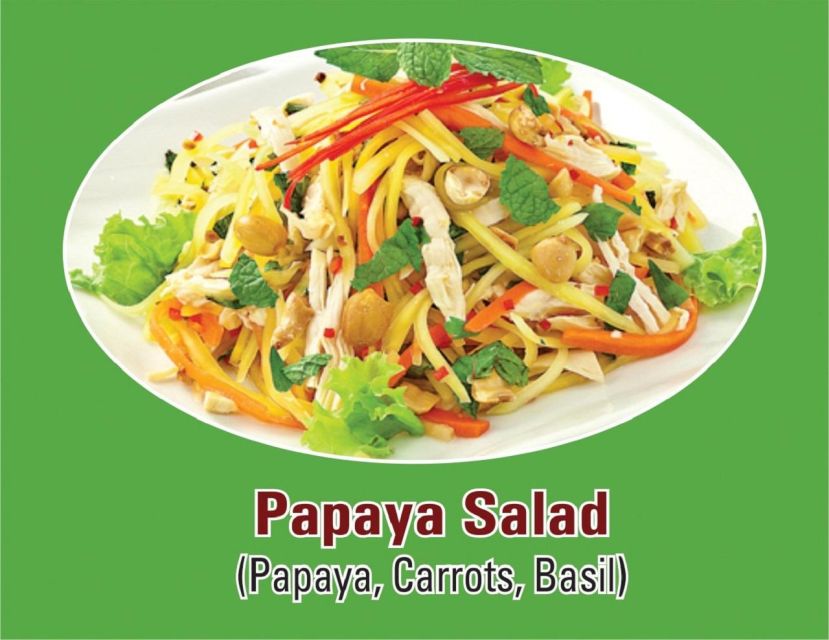
- Papaya salad with carrots and basil
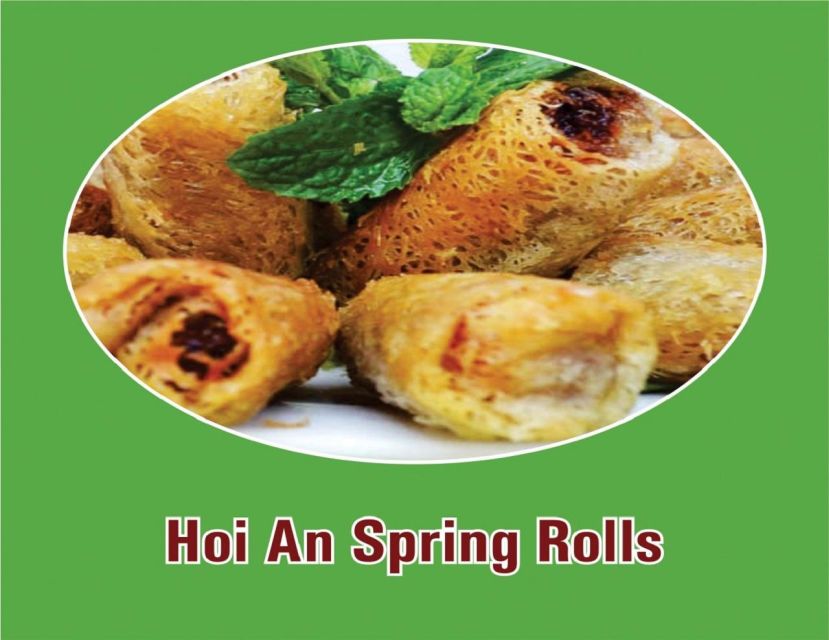
- Hoi An spring rolls
- Hoi An rice pancake
- The local-family vibe: why it matters beyond the recipe
- English instruction, step-by-step flow, and how to get more out of it
- Pickup, restaurant rest, and what you should plan for
- Vegetarian cooking in Hoi An: who this is best for
- Who runs it and what to expect from the hosting style
- Should you book this vegetarian cooking class?
- FAQ
- FAQ
- How long is the vegetarian cooking class in Hoi An?
- Where does pickup happen?
- Is the chef fluent in English?
- What dishes will I cook?
- Do I get to eat what I cook?
- Is lunch or dinner included?
- Are drinks included in the price?
- Is the class for vegetarians only?
- What happens with children under 3 years old?
- Can I cancel for a full refund?
Key things I found most interesting about this Hoi An class
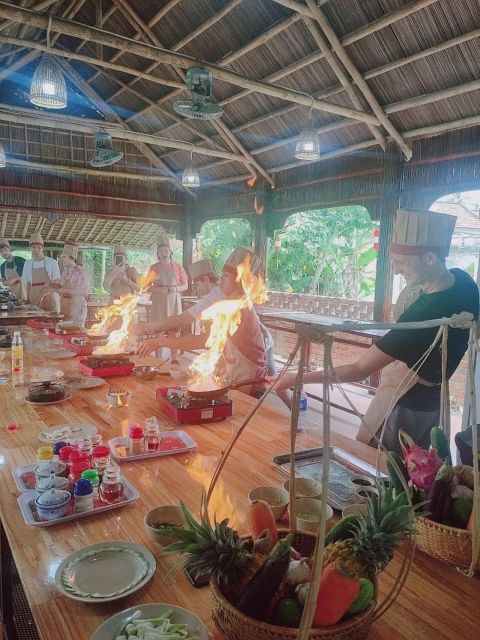
- Cam Thanh Coconut Village cooking setting that feels tied to how people live, not just a demo kitchen
- English-speaking chef with step-by-step instruction you can follow without guessing
- Four vegetarian recipes: clay pot tofu, papaya salad, spring rolls, and rice pancake
- Included meal from what you cook, so you taste your work immediately
- Hotel pickup and drop-off that keeps the experience low-stress
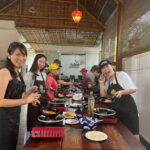
- Small, shared-table vibe, built around chatting and sampling each other’s food
Entering the Cam Thanh Coconut Village food world
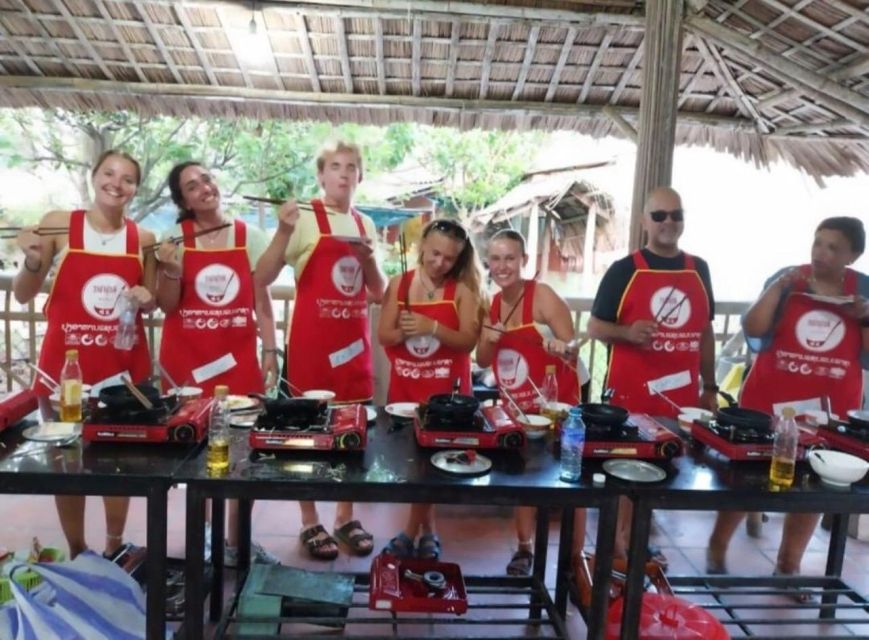
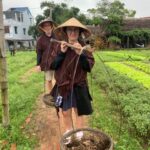
Hoi An has a way of making you slow down, and this starts the moment you’re collected from your hotel. The transfer goes to Cam Thanh Coconut Village, a place where coconut palms aren’t just scenery—they’re part of daily life. That location matters because it changes how you see Vietnamese food: you’re cooking as part of a local rhythm, not treating it like a scripted attraction.
Once you arrive, you don’t go straight into chopping. There’s a welcome drink and time to rest at the restaurant area first. That little pause is practical. It gives you a chance to settle in, meet your chef and group, and get your energy back before you start cooking.
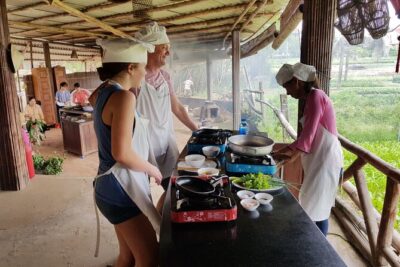
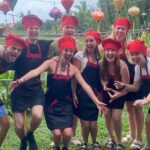
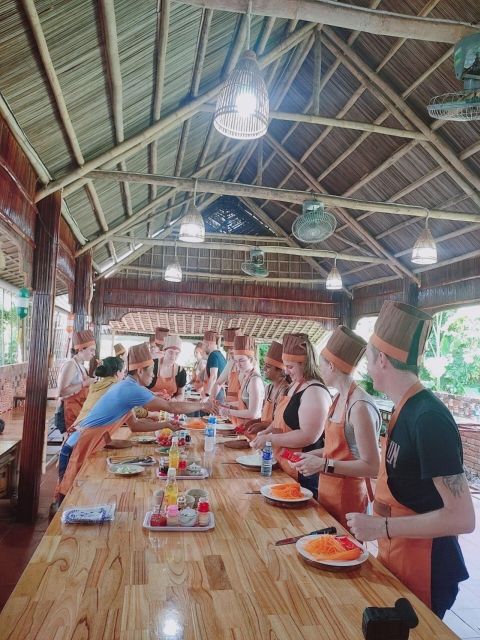
Then you move into the cooking class in the coconut village setting. The big win here is that you’re learning in a home-style environment with local people. That tends to make questions easier, and you’re more likely to remember small details—like how the ingredients are used—because you’re seeing the flow of a real meal, not just watching a performance.
You can also read our reviews of more cooking classes in Hoi An

The full 3-hour rhythm: what the timing really feels like
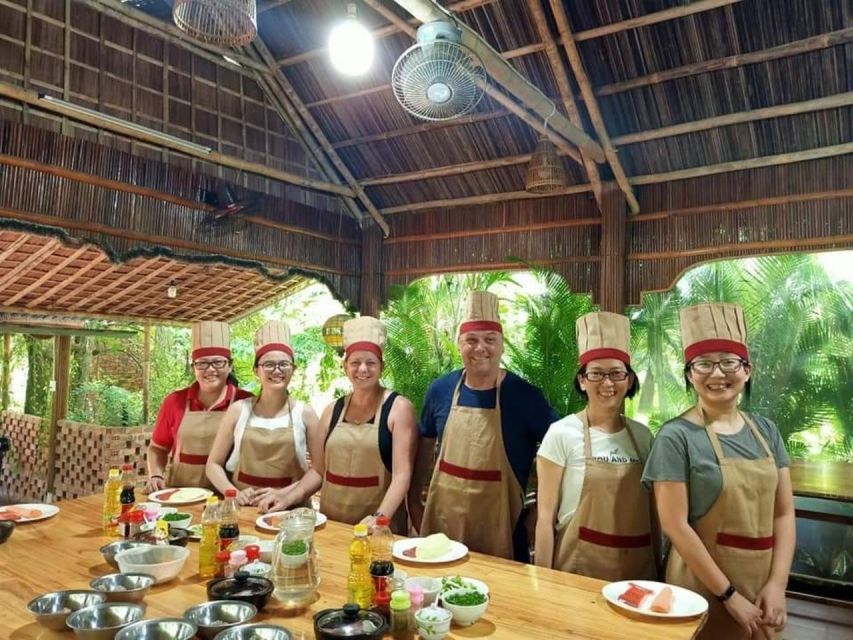
The whole experience runs 3 hours (270 minutes) end to end. In real life, that length is just right for a cooking class: long enough to learn four dishes properly, but short enough that the day doesn’t swallow your whole afternoon.
Here’s the sequence you can expect:
- Hotel pickup in Hoi An city center, then transfer to Cam Thanh Coconut Village
- Welcome drink and a rest stop at the restaurant
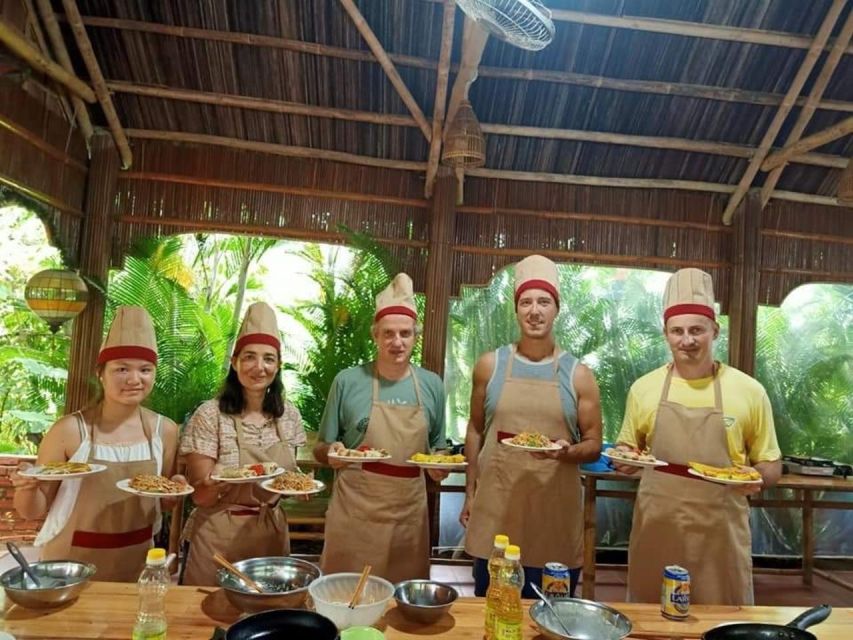
- Hands-on cooking class with an English-speaking chef
- Eat what you cooked, in the shared meal moment
- Return transfer to your hotel
This pacing is valuable because you’re not stuck waiting around. You’re guided from one step to the next, and the meal right after cooking keeps everything fresh. I also like that you’ll have time to chat with the group while you eat—sharing food is often where the cultural bits land.
And yes, it’s vegetarian. That’s part of the point, and it also shapes what you’ll learn: fresh herbs, rice and rice-based dishes, tofu, and classic flavors built to feel complete without meat.
What’s included in the $24 price (and why it’s decent value)
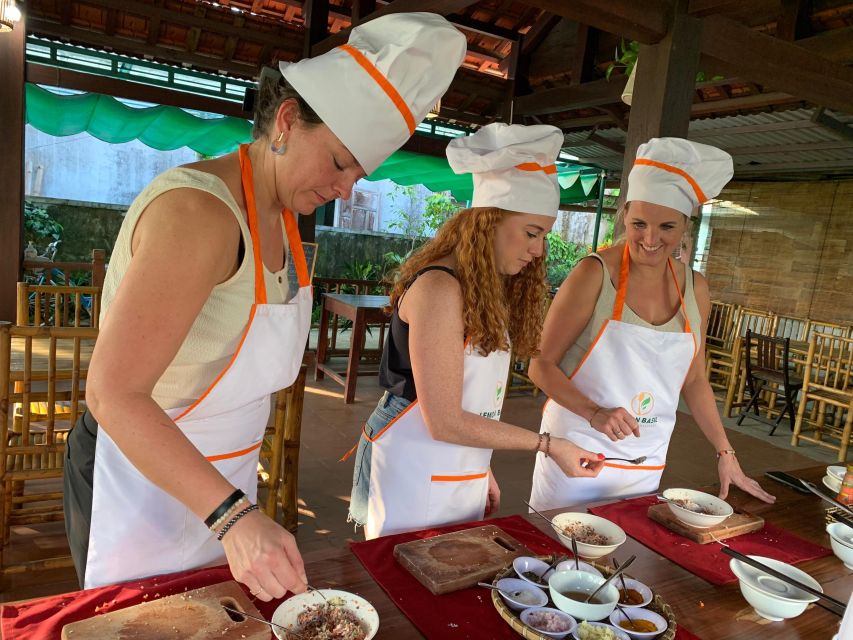
At $24 per person, this is not priced like a fancy cooking workshop that leaves you guessing. You’re getting hotel pickup and drop-off, an English-speaking chef, all cooking ingredients, and a meal made from what you cook.
What’s included:
- Hotel pickup and drop-off (Hoi An city center)
- English-speaking chef
- All ingredients for the class
- Lunch for morning slots or dinner for afternoon slots
What’s not included:
- Drinks
- Personal expenses
That “drinks not included” part is the only thing that can catch you off guard. If you’re the type who likes a soft drink or iced tea with meals, budget a bit extra. But the rest is nicely packaged. For many people, cooking-class value is really about three things: transportation, instruction quality, and actually eating your results. This covers all three.
Four vegetarian dishes you’ll learn to make in this class
The chef teaches 4 local dishes, and they’re all on the menu for a reason: they’re recognizable Vietnamese favorites that teach different skills. You’ll also eat what you make, which is the fastest way to understand seasoning and balance.
Tofu in clay pot with steam rice
You start with tofu in clay pot with steam rice. Even just the name tells you what kind of lesson this is: tofu plus a classic serving base, steamed rice. This is a great “anchor dish” because it gives you something practical you can build a weeknight meal around when you’re back home.
What you’ll be doing is following step-by-step instruction to bring it together. The clay pot format also makes the dish feel more local and grounded than a generic tofu recipe. When you learn it this way, it’s easier to translate into your own kitchen later.
You can also read our reviews of more tours and experiences in Hoi An


Papaya salad with carrots and basil
Next up: Papaya Salad (papaya, carrots, basil). Papaya salad in Vietnam is all about freshness—sweet, tangy, herb-forward, and usually very balanced. For a vegetarian class, it’s a smart choice because it shows you how vegetables and herbs can do heavy lifting.
This dish is also the kind of recipe you’ll want to pay attention to as you cook, because the final taste comes from adjusting the mix until it works. When a class includes a salad like this, you’re learning more than chopping—you’re learning flavor logic.
Hoi An spring rolls
Then you’ll make Hoi An Spring Rolls. Spring rolls teach hands-on technique, especially around filling and rolling. What I like about including spring rolls in a vegetarian menu is that they’re flexible: once you understand the build, you can adapt with ingredients you can find at home.
Also, spring rolls are fun because they feel like a celebration food. Learning them in Hoi An gives the dishes a local identity, which helps you remember the steps later.
Hoi An rice pancake
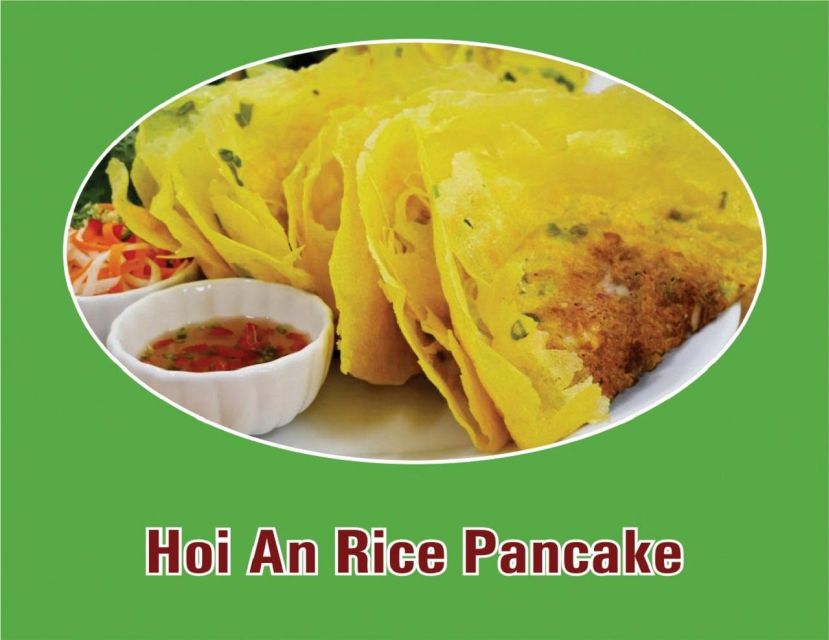
Finally, you’ll cook Hoi An Rice Pancake. Rice pancakes are a signature style that many visitors associate with Hoi An eating. Including this dish in the menu means you’re not just learning one “vegetarian category.” You’re learning how rice-based Vietnamese food can become a complete meal with the right mix and preparation.
It’s also a nice finale. By the time you reach the rice pancake, you’ve already got seasoning and assembly confidence from the earlier dishes, so this one clicks faster.
The local-family vibe: why it matters beyond the recipe
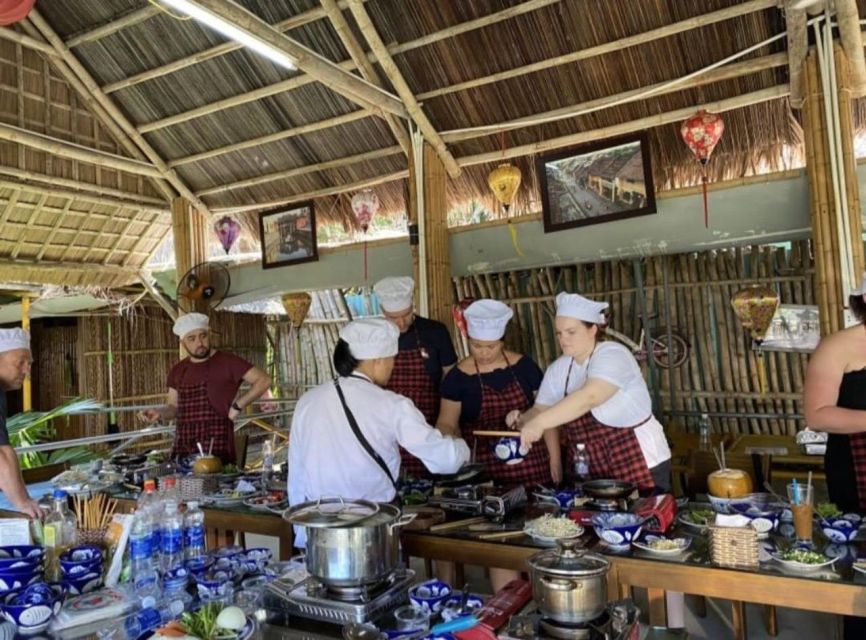
This class isn’t framed as a quick demonstration. It’s built around cooking with local people and having a chat while you share the meal you made. That sounds soft, but it’s actually useful.
When you’re cooking with locals:
- You notice how ingredients are handled and why certain items pair together
- You feel more comfortable asking questions in plain language
- You’re more likely to remember what mattered, not just what you did
In the overall experience, the most praised element is the combination of friendly atmosphere and clear instruction. People consistently highlight that the recipes are explained in a way you can follow—not just watch. That’s what you want in a cooking class. You should be able to repeat the dish later without needing a second translator or a lucky guess.
English instruction, step-by-step flow, and how to get more out of it
The chef is English-speaking, which keeps things practical. You’ll get step-by-step instructions, so you’re not stuck trying to interpret gestures while everyone else moves ahead.
My best advice: treat it like a cooking workshop, not a sightseeing stop. Stay focused for the full 3 hours. When your hands are busy, listen for the “why” behind steps—things like what you’re aiming for in the dish’s balance. If you like tasting as you go, you’ll understand the food faster.
Also, don’t be shy about swapping notes with other people at the table. Sampling each other’s cooking is part of the structure here, and it’s the easiest way to catch small differences in how ingredients behave.
Pickup, restaurant rest, and what you should plan for
Since this includes hotel pickup and drop-off in Hoi An city center, you can keep your schedule simple. Just plan to be ready at your hotel at the pickup time you’re given. The transfer to Cam Thanh Coconut Village is part of the experience, not dead time, but you’ll want to build in a bit of buffer if you have other plans nearby.
You’ll have a welcome drink and a rest stop at the restaurant before the class starts. That’s a nice comfort feature. It also means you don’t need to arrive starving and frantic—though if you snack later, keep it light so you can enjoy the meal after cooking.
One small practical note: drinks aren’t included. If you’re a water-and-iced-drink person, factor that in.
Vegetarian cooking in Hoi An: who this is best for
This is a strong fit if you want to learn Vietnamese cooking without meat. It’s also a good choice if you’re traveling with at least one person who likes food but gets overwhelmed by complicated schedules—this is clean, timed, and focused.
It works especially well for:
- Couples and solo travelers who want a hands-on activity with a social meal
- Food lovers who want recipes they can recreate at home
- Travelers who prefer a structured class with English support
If you’re traveling with kids: children under 3 years old are free of charge, but they won’t join in the cooking and will share all service with their parents. So plan accordingly if you’re traveling with toddlers—this is still very much an adult cooking experience.
Who runs it and what to expect from the hosting style
The experience is provided by GJ Travel Viet Nam, and the hosting style you’ll feel is guided and friendly. With an English-speaking chef and a clear menu, you’re not left to wander. You’ll be taught, then you’ll eat, then you’ll go back to your hotel.
The biggest thing you’re paying for is not just the dishes—it’s the translation of Vietnamese cooking into steps you can repeat. A good class does that. This one’s reputation is built on people learning a lot and enjoying the food together right away.
Should you book this vegetarian cooking class?
I’d book it if you want a practical Vietnamese food experience that fits inside a half-day window and gives you four real recipes to take home. The value is strongest when you like learning by doing, and when you appreciate that you’ll cook, eat, and chat as part of the same flow.
Skip it only if vegetarian cooking doesn’t interest you at all, or if you’re looking for a longer day with lots of sightseeing. This is a food-first experience in Cam Thanh Coconut Village, and it’s designed to be that focused.
FAQ
FAQ
How long is the vegetarian cooking class in Hoi An?
It lasts about 3 hours, listed as 3 hours – 270 minutes.
Where does pickup happen?
Pickup is included for hotels in Hoi An city center, and pickup is described as optional with the price including pick up and drop off.
Is the chef fluent in English?
Yes. The class includes an English-speaking chef and an English host/greeter.
What dishes will I cook?
You’ll learn four dishes: Tofu in clay pot with steam rice, Papaya Salad (papaya, carrots, basil), Hoi An Spring Rolls, and Hoi An Rice Pancake.
Do I get to eat what I cook?
Yes. After the lesson, you enjoy what you have cooked as a meal.
Is lunch or dinner included?
Yes. Lunch is included for the morning slot and dinner is included for the afternoon slot.
Are drinks included in the price?
No. Drinks are not included.
Is the class for vegetarians only?
Yes. It’s a vegetarian cooking class.
What happens with children under 3 years old?
Children under 3 years old are free of charge, but they will not join the cooking and will share all service with their parents.
Can I cancel for a full refund?
Yes. Free cancellation is available up to 24 hours in advance for a full refund.