REVIEW · HOI AN
Hue City Tour with Dragon Boat from Hue or Danang or Hoi An
Book on GetYourGuide →Operated by Adventure Journey Vietnam · Bookable on GetYourGuide
Hue feels different when you meet it slowly.
This private Hue city tour pairs the big sights of the Imperial Citadel and the royal tombs with a calmer Dragon Boat cruise on the Perfume River. I especially like how the tour makes the Nguyen kings feel human, with clear explanations about their wives, concubines, and eunuchs. One thing to consider: entrance tickets for major sites aren’t included, so you’ll want to budget extra on top of the $22 price.
I also appreciate the pacing that mixes walking stops with scenic breaks on the way to Hue. You’ll see Hai Van Pass and Lap An Lagoon on the drive, then get a guided day focused on how Buddhism shaped daily life in Central Vietnam. The one potential drawback is simple: it’s a long day, and the tombs and citadel involve plenty of time on your feet.
In This Review
- Key highlights worth planning for
- Hue in one day: getting there from Da Nang or Hoi An
- Entering the Imperial Citadel and the Forbidden Purple City
- The Nguyen royal world explained: wives, concubines, and eunuchs
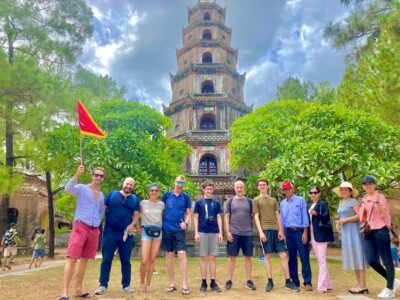
- Thien Mu Pagoda: Buddhism’s influence, plus a hard-edged chapter
- Perfume River break: what the Dragon Boat cruise adds
- Hue’s royal tombs: Minh Mang, Tu Duc, and Khai Dinh
- Minh Mang Tomb: designed living after death (1840–1843)
- Tu Duc Tomb: a place the king also used while alive (1864–1867)
- Khai Dinh Tomb: blended styles of Orient and Europe (1920–1931)
- Lunch at the right time: Hue noodle soup with beef
- Time, pacing, and what the $22 price really means
- Who this private Hue tour suits best
- Should you book this Hue tour with Dragon Boat?
- FAQ
- How long is the Hue City Tour with Dragon Boat?
- Where can I be picked up and dropped off?
- What’s included in the price?
- Are entrance tickets included?
- Is the Dragon Boat cruise private?
- Is there an English-speaking guide?
- What’s the cancellation and payment flexibility?
Key highlights worth planning for
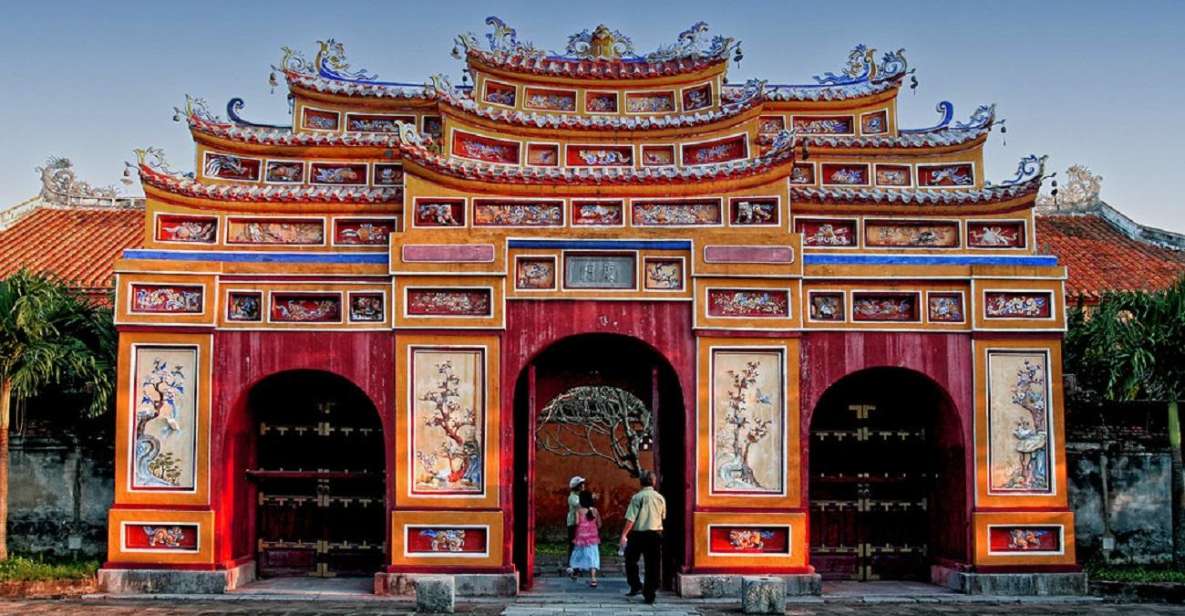
- Imperial Citadel built from 1804–1833 with walls up to 21 m thick and 10 km around
- Forbidden Purple City of Hue plus major palace areas and special features like the Nine Holy Cannons
- Thien Mu Pagoda (built in 1601) with a powerful story tied to Buddhist protest in 1963
- Private Dragon Boat cruising on the Huong River / Perfume River for a cooling break mid-tour
- Three standout Nguyen royal tombs: Minh Mang, Tu Duc, and Khai Dinh
- English guide in Hue (Nhien named in one review) who answers questions and adapts to your needs
Hue in one day: getting there from Da Nang or Hoi An
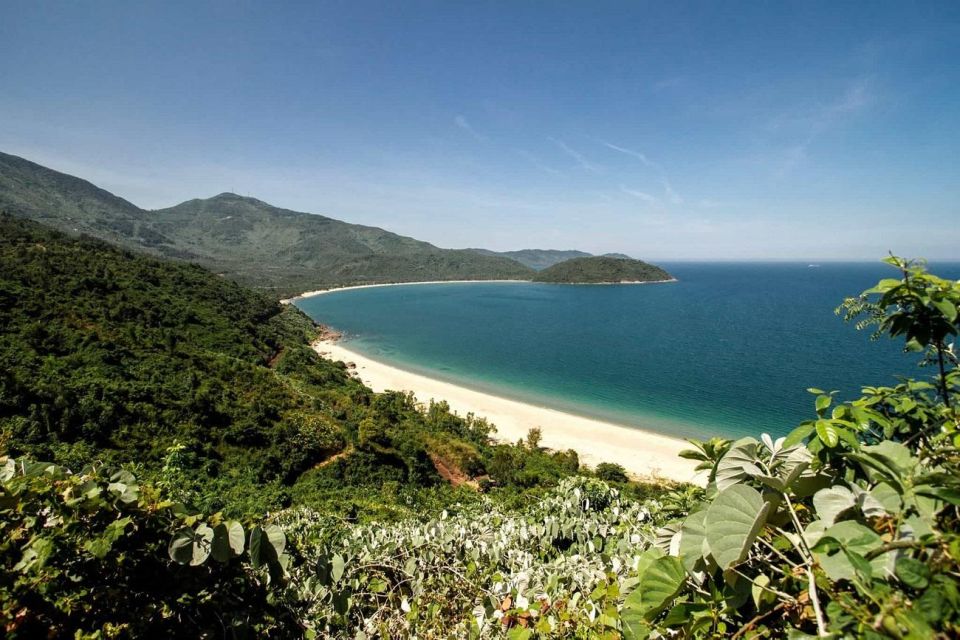
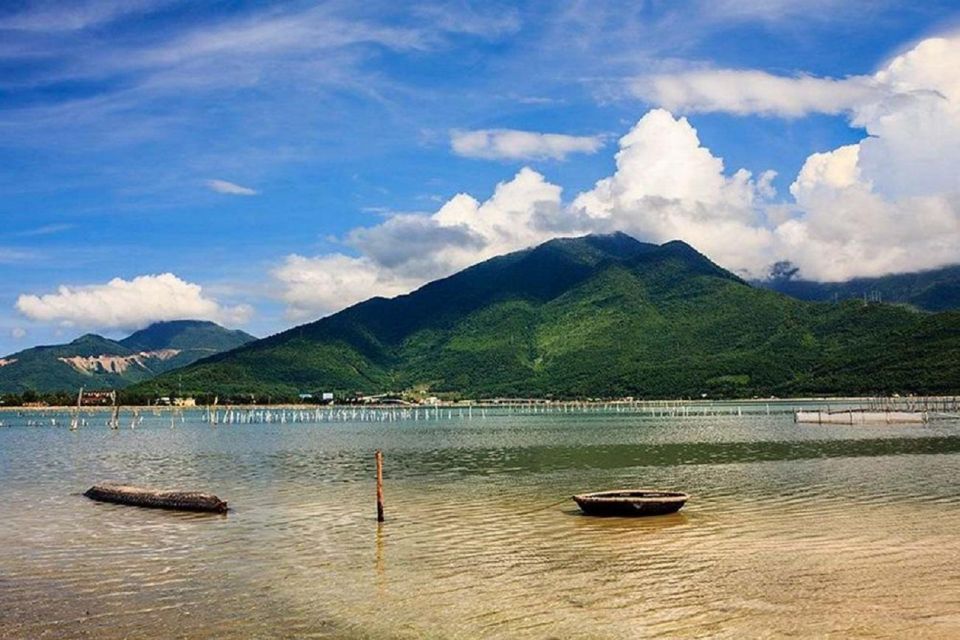
This tour is designed for people who want Hue without the hassle of planning multiple legs. If you’re starting in Da Nang, the drive to Hue is about 3 hours. If you’re starting from Hội An, it’s closer to 3.5 hours. You’re not just stuck in a car the whole time, either. There are built-in stops for photos and sightseeing along the way, including Hai Van Pass and Lap An Lagoon.
That matters, because Hue can feel like a whole trip on its own. The scenic coastal route helps you “arrive” instead of just arriving exhausted. It’s also a nice reality check: Central Vietnam looks different from stop to stop, and those early views set the mood for what you’ll see in Hue.
This is a private group format. That usually means you can move at a comfortable pace and ask questions without feeling rushed or packed in. You’ll also have an English-speaking guide in Hue (the review I saw named guide Nhien, and she was described as kind, caretaking, and careful about respecting guest needs).
You can also read our reviews of more boat tours in Hoi An



Entering the Imperial Citadel and the Forbidden Purple City
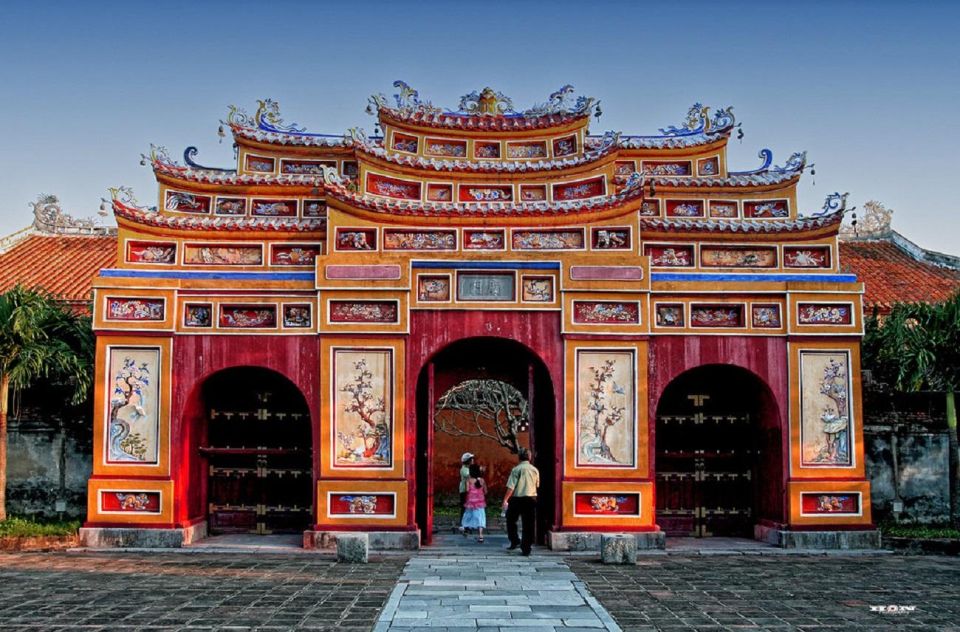
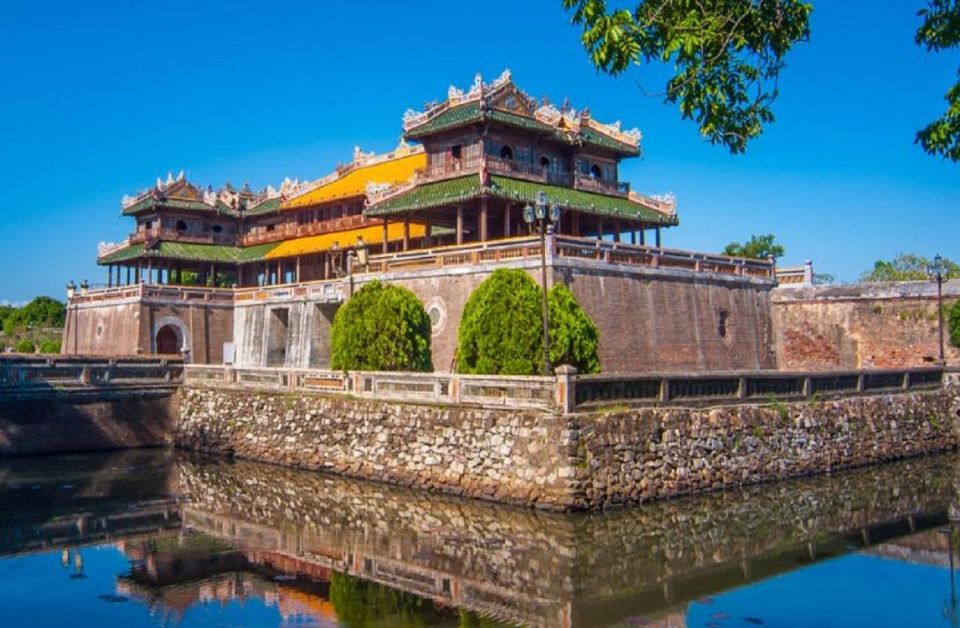
The day’s anchor is the Imperial Citadel, built from 1804 to 1833. That timeline is one of those details that helps you understand what you’re walking through: this was a major construction project lasting 29 years, connected to two kings. The scale is hard to miss—21 m thick walls and a circuit measuring 10 km.
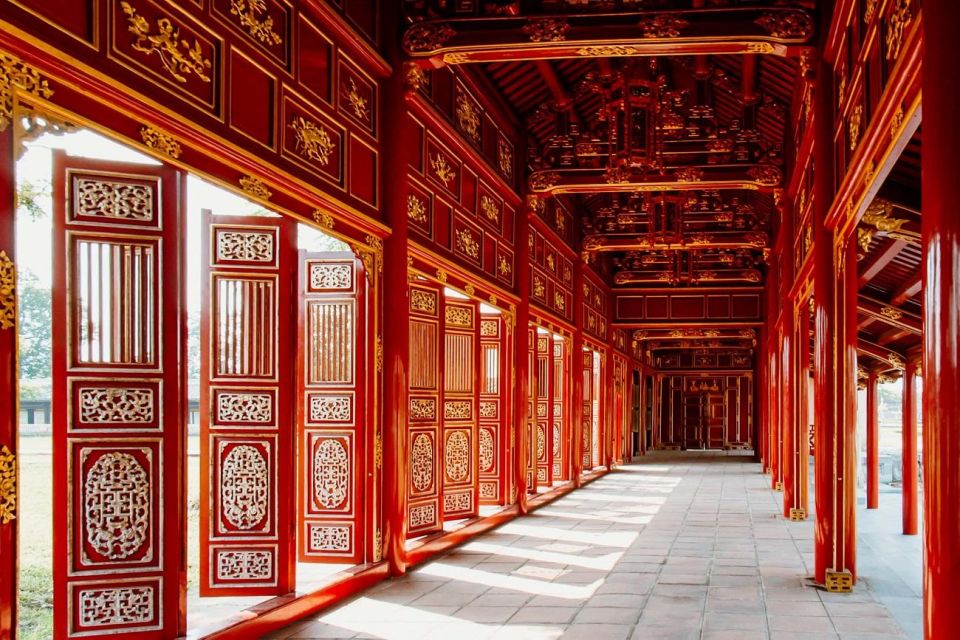
Inside, you’ll see a set of key areas that explain how royal power worked in practice. The tour highlights the ornate pagodas and major landmarks such as the Flag Tower, Supreme Harmony Palace, Nine Dynastic Urns, and Dynastic Temple. You also get the Nine Holy Cannons—a reminder that these spaces weren’t only ceremonial. They served real state functions.
One of the most meaningful parts here is understanding war’s impact on the city. Many buildings were destroyed during the French War and the American War, and some areas are still under restoration. That doesn’t ruin the experience. It makes the place feel honest. You see how history gets layered: imperial plans, centuries of change, modern damage, and restoration work.
Practical note: because parts of the citadel are under restoration and can include uneven surfaces, wear comfortable shoes. You’ll be walking more than you might expect for a “city tour.”
The Nguyen royal world explained: wives, concubines, and eunuchs
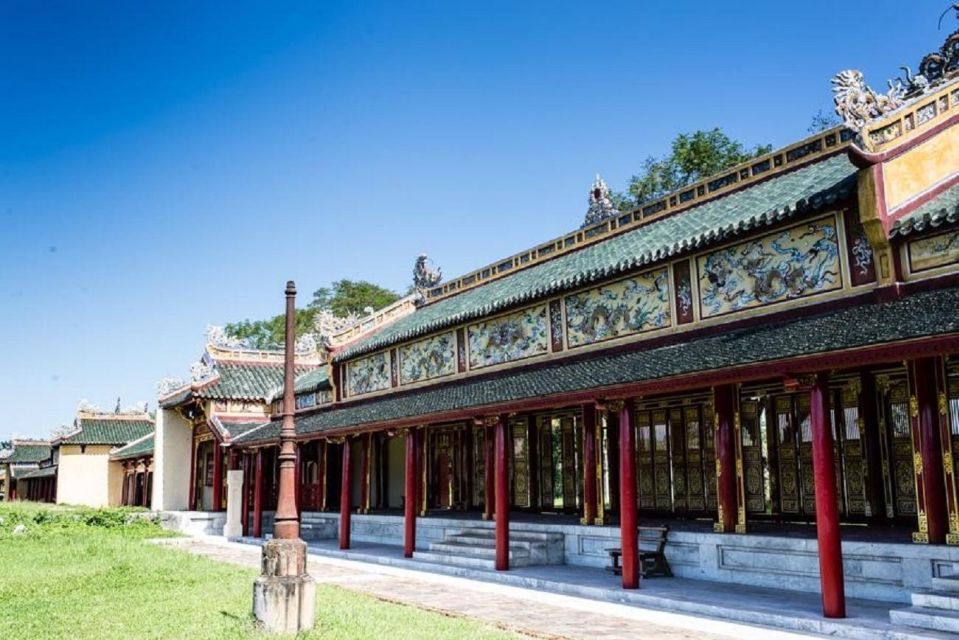
At some tours, royal history becomes dates and names. Here, the focus is more human. The tour sets you up to learn about the life of the kings in a way that connects roles, routines, and court structure.
You’ll specifically hear about the kings’ wives and concubines, and the role of eunuchs. That detail isn’t random. It’s a key piece for understanding how power and control worked in the royal system. When you learn how the household was organized, the spaces in the citadel make more sense. You stop seeing buildings as props and start seeing them as functions: where people lived, where rank mattered, and how court life stayed orderly.
I like this approach because it prevents the common tourist problem: standing in front of a palace and thinking, Okay, but what did people actually do here? The guide’s explanations turn the city into a story you can follow.
Thien Mu Pagoda: Buddhism’s influence, plus a hard-edged chapter
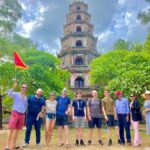
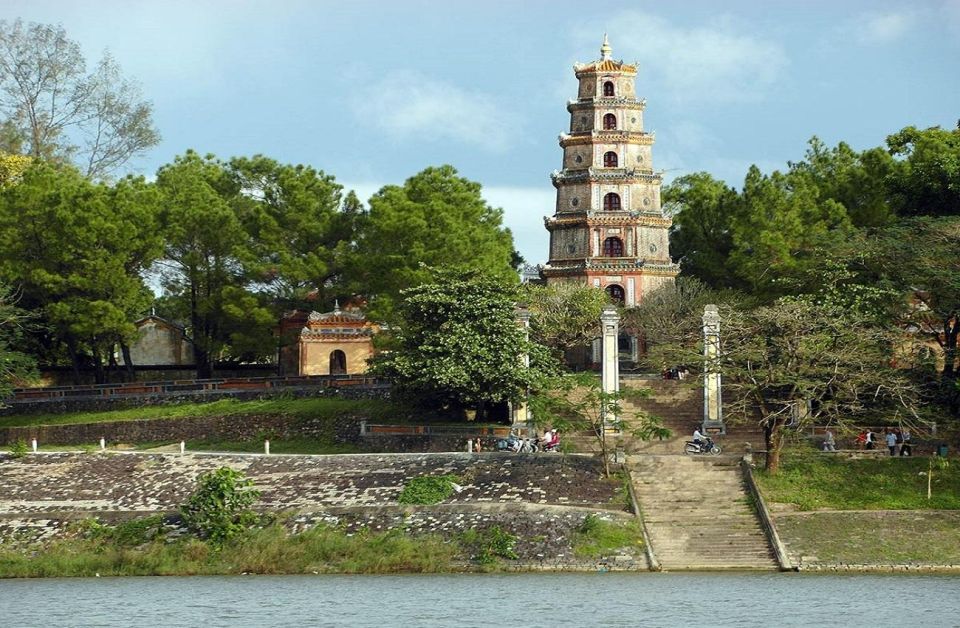
Next comes Thien Mu Pagoda (Pagoda of the Celestial Lady). It’s one of the most well-known temples in Hue, and it sits on a hill overlooking the Perfume River. The tour notes it was built in 1601 by Nguyen Hoang, the first founder of the Nguyen family in Central Vietnam.
What I like is how the visit ties Buddhism to daily life, not just architecture. The guide explains why Buddhism mattered and how it shaped local culture. That helps you understand why religious sites in Vietnam often feel integrated into ordinary routines. The temple isn’t just a view spot. It’s part of how people historically interpreted the world.
Then there’s a serious moment that you shouldn’t skip over. The site includes an old car and a picture of a Buddhist monk who set himself on fire in 1963 as a protest connected to calls for free religion under the Ngo Dinh Diem government of South Vietnam. The point of the story is about religion meeting politics—how beliefs can become part of national events.
If you’re the type who likes your cultural sites straight up and not sugar-coated, this is powerful. If you’d rather keep your day lighter, just know this portion is emotionally heavy.
Perfume River break: what the Dragon Boat cruise adds
After the pagoda, you get a private Dragon Boat cruise on the Perfume River (also called the Huong River). This is the moment where Hue slows down. After walking in palace walls and tomb grounds, you’re on the water, with a different pace and fewer stairs.
Even if you’ve taken boat rides before, the setting matters. The river is tied to Hue’s identity, and the cruise gives you a break from the “museum mode” of history tourism. It also offers practical relief on a long day: cooling air, a chance to sit, and a reset before lunch and the tombs.
A good strategy: on days like this, I treat the boat as a reset button. Don’t rush photos. Take in the views, then prepare for more walking afterward.
You can also read our reviews of more city tours in Hoi An



Hue’s royal tombs: Minh Mang, Tu Duc, and Khai Dinh
The afternoon focuses on the three best-known Nguyen royal tombs. These aren’t just graves. They’re designed landscapes for an afterlife—plus political statements about the dynasty’s ideals. The guide frames each one so you understand what you’re seeing beyond the visuals.
Minh Mang Tomb: designed living after death (1840–1843)
The Minh Mang Tomb began under Minh Mang and was finished by his son, King Thieu Tri. It’s dated 1840–1843, with the completion by Thieu Tri (1940–1847 is listed in the tour details). This tomb’s area is about 1 hectare, including working and living areas for the king, queen, and especially the minor wives and concubines after his death.
That makes the tomb concept feel less abstract. You can see how the royal household model continues beyond death—arrangements for daily life, not just memorial space.
Tu Duc Tomb: a place the king also used while alive (1864–1867)
The Tu Duc Tomb was built between 1864 and 1867 by King Tu Duc. It was also where he sometimes lived and worked during his lifetime. The tomb spans about 12 hectares, split into two separate areas: a temple area and a burial area.
This one is especially interesting if you like thinking about architecture as behavior. The tomb wasn’t only a final resting spot. It functioned like a royal retreat even before it became one.
Khai Dinh Tomb: blended styles of Orient and Europe (1920–1931)
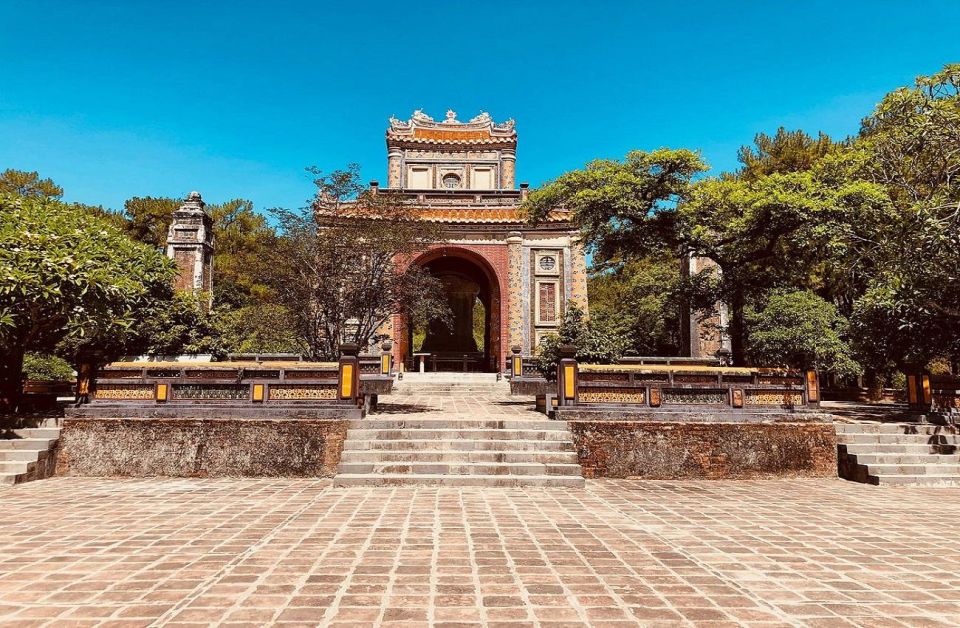
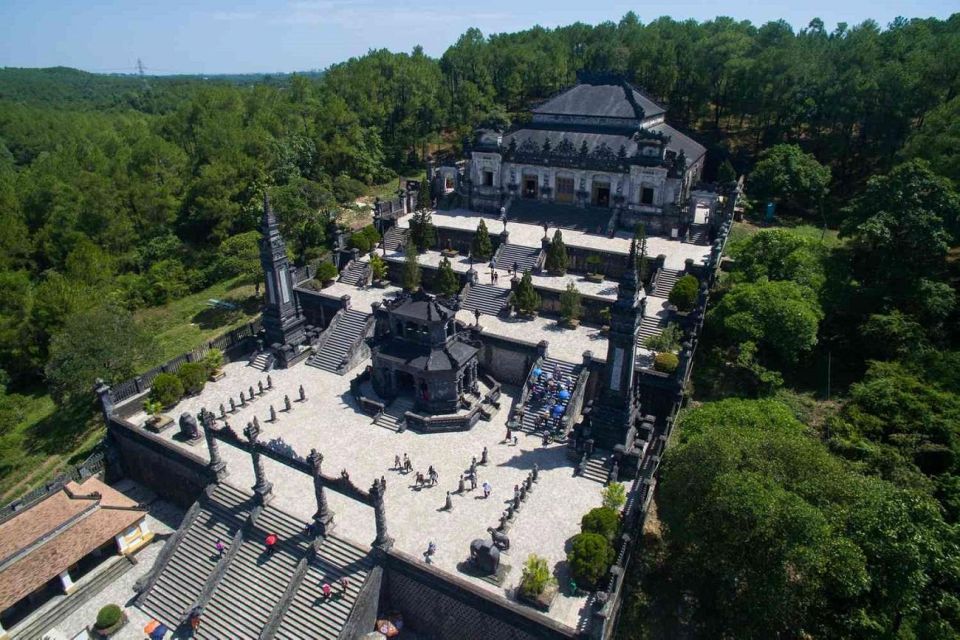
The Khai Dinh Tomb (dated 1920–1931) is described as the only Nguyen king’s tomb with blended styles of Orient and European design. It’s also noted that it’s the only Nguyen king’s tomb built with a different style where King Khai Dinh was buried underneath.
This stop gives you a sense of how Vietnam’s royal expression changed over time. It’s not all traditional forms. The tomb shows the dynasty adapting to shifting artistic influences.
Practical note: tombs tend to mean longer walks on uneven ground. Go slow. You’ll enjoy them more if you don’t treat every step like a checkbox.
Lunch at the right time: Hue noodle soup with beef
Food in Hue is often worth it, and this tour makes sure lunch lands at a logical point in the day. You’ll go to a local restaurant for Hue Noodle Soup with Beef, also known as Bún Bò Huế. The tour notes this lunch is included for the private tour version.
That specific dish matters. Bún bò Huế is one of Hue’s signature flavors, so it works like a cultural anchor: after imperial spaces and Buddhist sites, you get something everyday and deeply local. It also helps you recharge before the final tomb stop(s).
Time, pacing, and what the $22 price really means
At $22 per person, this is priced like a value-focused day trip. The structure is what makes it feel like more than a basic tour: you get private car transfer from Da Nang/Hoi An to Hue and back, plus a private Dragon Boat cruise, plus an English-speaking guide in Hue.
The key detail is what isn’t included. Entrance tickets to the Imperial City (Citadel) and the royal tombs are not included. So the final total can be a bit higher once you add site fees, depending on what you choose to enter fully. But the core experience—transport, guiding, and the boat ride—already covers the expensive parts that are hard to DIY quickly.
Also notice the duration range: 3–11 hours. That wide spread usually reflects different starting points and your available time window. If you start from Da Nang or Hoi An, expect the longer day. If you start closer to Hue, the schedule can be shorter and easier on the legs.
Who this private Hue tour suits best
I’d put this tour in the sweet spot for you if:
- You want a guided day across Hue’s biggest sites without doing logistics math.
- You care about explanations, not just photos—especially on the king and court household theme.
- You like mixing intense history stops with a calmer break on the river.
You might want a different approach if you:
- Have limited walking tolerance (citadel + tombs mean real time on foot).
- Don’t want emotionally heavy content. The Thien Mu Pagoda monk protest story is part of the visit.
If you’re traveling as a couple, family group, or small group, the private format helps you keep the day smooth.
Should you book this Hue tour with Dragon Boat?
Yes, if your priority is a single-day hit list that still feels guided and thoughtful. The best part isn’t any one monument—it’s how the day connects themes. Imperial power explains court life. Buddhism explains local cultural influence. The tombs show how the Nguyen dynasty imagined the afterlife. Then the river cruise gives you a real reset before you finish.
If you book, do two things to make it work:
- Wear comfortable shoes and plan for walking time inside major sites.
- Budget for entrance tickets, since they’re not included.
And if you’re lucky enough to get a guide like Nhien, you’ll likely get the type of service where questions are welcome and pacing feels respectful. That’s exactly what you want in a day like Hue: not just seeing history, but understanding it while you’re standing in it.
FAQ
How long is the Hue City Tour with Dragon Boat?
The duration is listed as 3 to 11 hours, depending on your starting time and pickup location.
Where can I be picked up and dropped off?
Pickup and drop-off options include Hue, Hội An, and Da Nang. The tour is set up for private car transfer between these areas.
What’s included in the price?
Included items are private car transfer from Da Nang/Hoi An to Hue and back, private Dragon Boat cruising on the Perfume River, and an English-speaking guide in Hue. Lunch with Hue Noodle Soup with Beef is included for the private tour version.
Are entrance tickets included?
No. Entrance tickets for the Royal Tombs and the Imperial Citadel are not included.
Is the Dragon Boat cruise private?
Yes. The tour includes a private Dragon Boat cruise on the Perfume River (Huong River).
Is there an English-speaking guide?
Yes. The guide in Hue is listed as English-speaking.
What’s the cancellation and payment flexibility?
Free cancellation is available up to 24 hours in advance for a full refund, and there’s an option to reserve now and pay later.