REVIEW · HOI AN
HoiAnGO Experience Local Life: Countryside by Electric Car
Book on Viator →Operated by HoiAnGO · Bookable on Viator
Coconuts and rice fields, no rough ride.
This Hoi An electric-car tour is interesting because it takes you off the main roads and into the kind of lanes that bigger vehicles can’t use, so you get a closer look at daily work around town. I like the electric car for how easy it is to move between stops, and I appreciate how the route mixes market culture with hands-on farm time.
Two highlights I’d chase: first, the Ba Le Market introduction sets the tone fast, so you understand what locals actually buy and grow before you head out into the fields. Second, the organic farm stop and gardening-style activities make the countryside feel personal, not like a drive-by photo op.
One thing to plan around: you’ll spend time on uneven paths and you’ll be walking at a few stops. Bring comfortable shoes and expect a little dust.
In This Review
- Key points to know before you go
- Why an electric car makes Hoi An’s countryside easier
- Starting at Ba Le Market: you learn by looking
- Thanh Dong Organic Farm: hands-on farming, plus boat and cooking
- Rice fields: the quiet work behind the views
- Bay Mau Coconut Forest and nipa palms: shade, texture, and calm
- A snack break with locals: food that makes sense in context
- Ending across Cua Dai Bridge: big views, easy finish
- Price and value: is $153.59 per person worth it?
- Logistics that matter: pickup, privacy, and timing
- Who this tour suits best
- Should you book this Hoi An electric-car countryside tour?
- FAQ
- Where in Hoi An does this tour take place?
- How long is the tour?
- How much does it cost?
- Is pickup included?
- Is this tour private?
- Are there group discounts?
- What admissions or inclusions are included during the stops?
- What is the last stop and what will you see there?
- What if the weather is bad?
- What is the cancellation rule?
Key points to know before you go
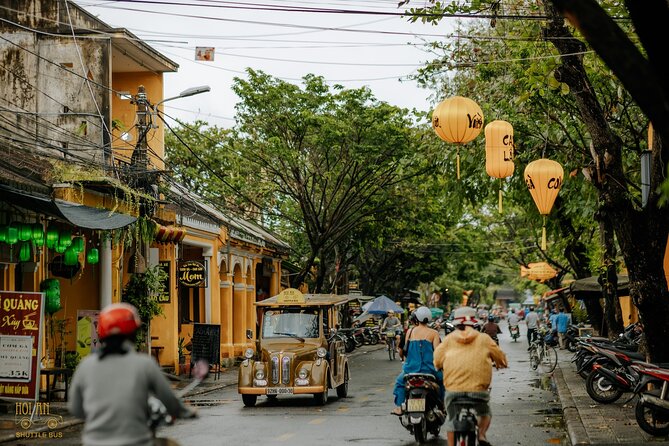
- Electric-car route reaches quiet backroads and hidden paths big vehicles can’t take
- Ba Le Market gives you a quick rural reality check on produce and daily life
- Thanh Dong organic farm includes farm activities plus a basket boat and cooking class
- Bay Mau coconut and nipa palm forest offers a shaded walk and calm views
- Snack-and-drink break at a local spot keeps it real, not staged
- Cua Dai Bridge finish turns the trip into a scenic wrap-up with sea-and-islands views
Why an electric car makes Hoi An’s countryside easier
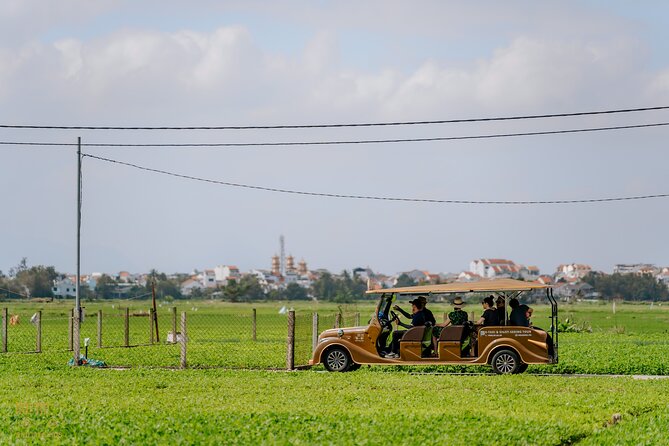
If you’ve only seen Hoi An from the roads around Old Town, this tour feels like the next chapter. The electric car matters because it’s built for short, stop-and-go exploring. You’re not stuck in a long bus ride with everyone packed like sardines, and you’re not bouncing along a motorbike track for three hours.
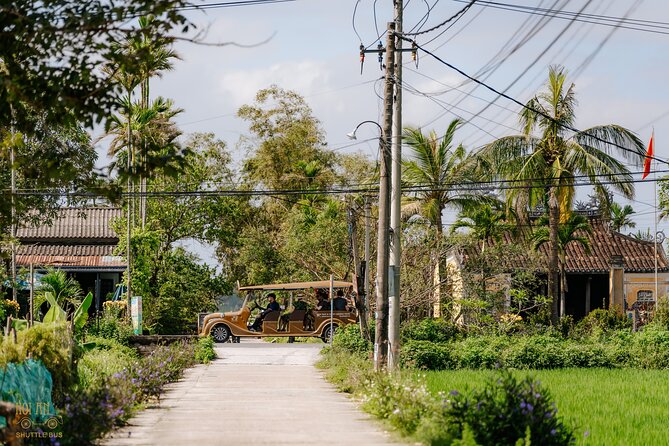
I also like that it’s designed to reach places large vehicles can’t. That means you spend less time stuck at the edge of a village and more time getting in close to the work: water channels, vegetable plots, coconut groves, and the everyday routines that make central Vietnam feel like a living place rather than a set.
The tour is also a private experience, meaning it’s only your group. That tends to help with questions, pace, and photo breaks, especially if someone in your group wants to take a slower walk through a garden.
You can also read our reviews of more tours and experiences in Hoi An.



Starting at Ba Le Market: you learn by looking
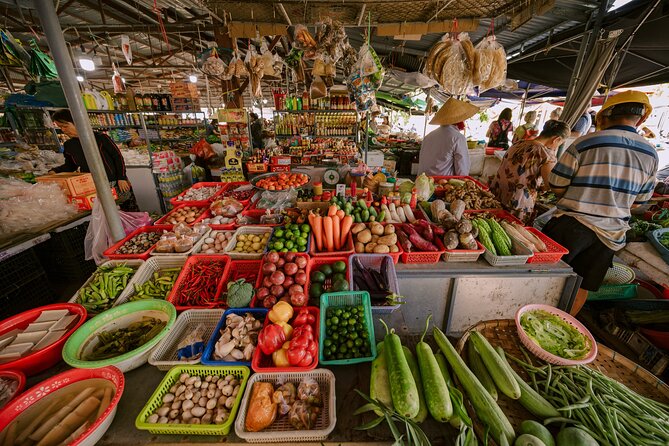
Your first stop is Ba Le Market, and it’s a smart choice because it tells you what matters before you head into the countryside. Your guide leads you through the market and points out produce that can look strange or unfamiliar at first glance. That alone is worth it, because it gives you something to connect to later when you see the plants growing.
This part is also about understanding how markets shape farming. When you see what people buy in the morning, it’s easier to guess what farmers plant and when. Market life here isn’t a museum. It’s loud, practical, and tied to daily needs.
The time slot is short (about 20 minutes), so don’t treat it like a full market tour. Instead, treat it like orientation. You’ll get the basics, then spend the rest of the trip in the fields.
Thanh Dong Organic Farm: hands-on farming, plus boat and cooking
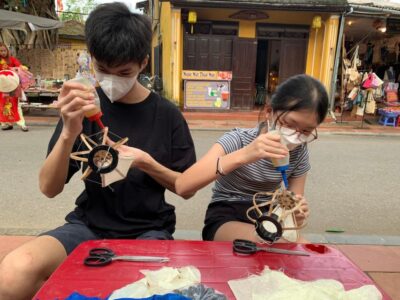
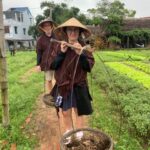
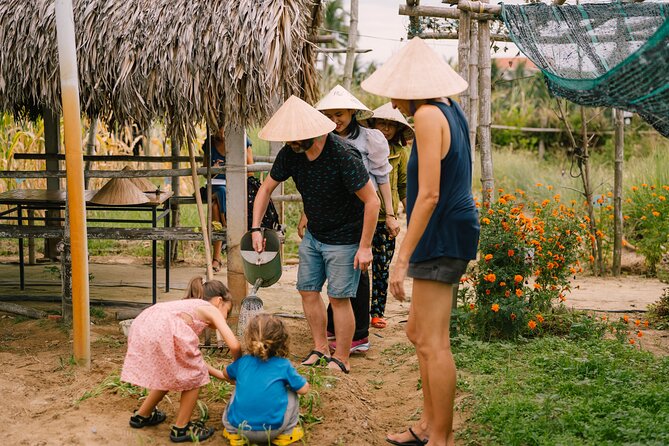
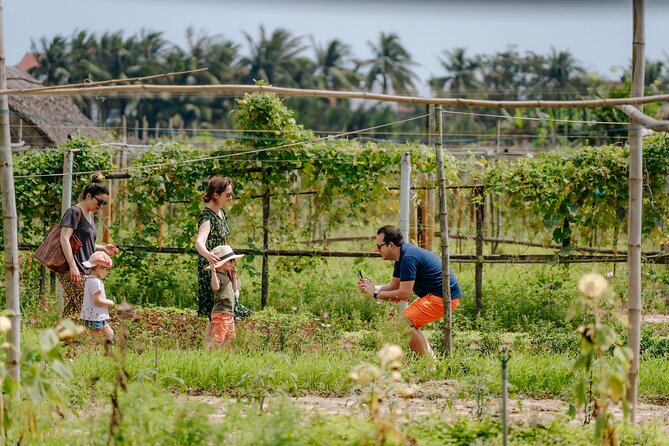
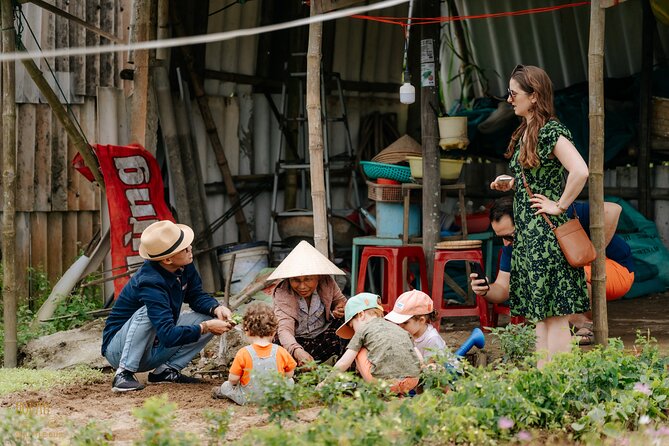
Next comes the Thanh Dong Organic Farm stop (about 30 minutes). This is where the tour shifts from watching to doing. You’ll meet friendly locals, hear stories about farming life, and take part in farm activities that feel more like “join in” than “stand and watch.”
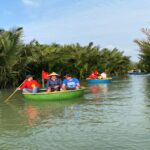
The experience is built around the idea of organic farming traditions and local knowledge. The route also includes a basket boat activity and a cooking class element. Even if those parts are brief, they add variety, and they help you understand that farming isn’t only about growing. It’s also about how food becomes meals.
One practical note: bring a willingness to get a little involved. If you’re used to city travel where you only touch things with your eyes, this stop asks for participation. That’s the payoff—when you see how locals work, the countryside stops feeling abstract.
If you care about guidance, the reviews are a strong clue: people praised guides who are fun, kind, and easy to understand. One name that came up was Le Van NGO, praised for a relaxed style and good English explanations, which fits this kind of hands-on stop.
Rice fields: the quiet work behind the views
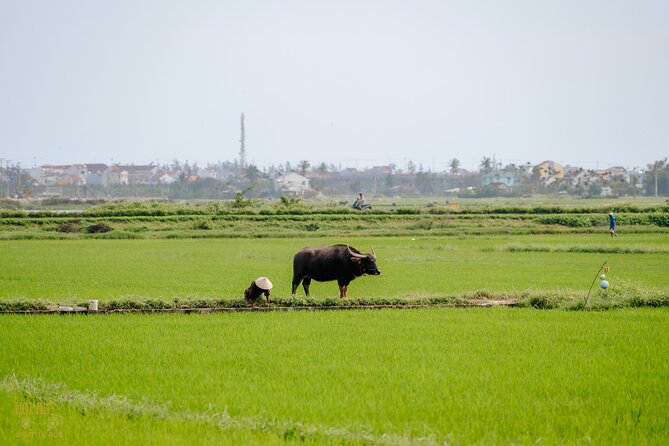
Between the farm activities and the coconut forest, you’ll also visit Hoi An rice fields and learn about traditional rice cultivation. This is one of those “small but important” pieces. Rice is the backbone of so much of Vietnam’s countryside, and even a short explanation can change how you look at a field.
The tour doesn’t market this as a big lecture. It’s more about walking through and understanding the logic of the landscape—water management, planting routines, and why certain methods are used. You’re not just seeing greenery. You’re seeing a system that keeps families fed and markets supplied.
If you want photos, keep in mind that rice fields are often best in softer light. Ask your guide when the light looks best as you move between spots, especially if your group wants both wide views and close details.
Bay Mau Coconut Forest and nipa palms: shade, texture, and calm
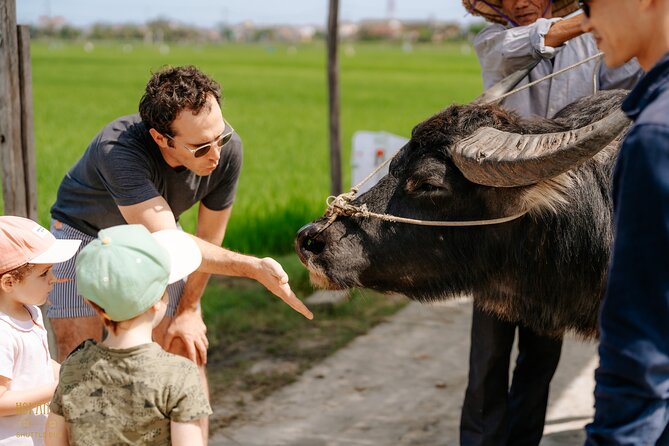
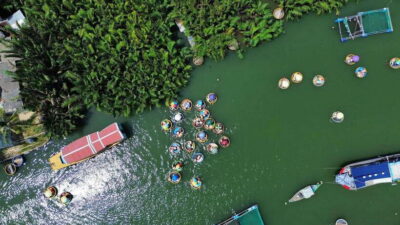
Then you’re off to Bay Mau Coconut Forest, which is one of the most atmospheric parts of the route. You’ll drive through the village to reach the palm forest, where you get picturesque views and a chance to slow down.
The stop includes time to stroll through the coconut palm forest and nipa palm forest. Nipa palms can look a bit different than the common palms you might know, and they tend to create a cooler, shaded feeling under the leaves. It’s a nice change after markets and farm activity—more walking, less rushing.
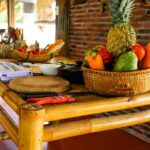
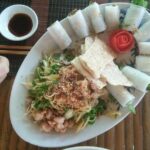
A key detail: you also stop at a local place here for a refreshing drink and traditional snack. This is where you get the taste side of the trip, not just the scenery. It’s also a natural break point, since this part of the day can feel hot depending on season.

A snack break with locals: food that makes sense in context
The tour includes time for traditional snacks and refreshing drinks at a local’s house. That sounds simple, but it’s exactly how you learn food culture the real way—by pairing a place with what you’re eating there.
I like this approach because it prevents the classic problem where tours offer “a snack” that has no connection to anything else. Here, the snack shows up after you’ve seen farming and market life. Suddenly you understand why certain flavors and ingredients show up again and again.
If you’re the type who asks questions about what you’re eating, this stop is usually a good fit. And the reviews give you reason to think conversations are welcomed. People described guides who explain things clearly and help make the day comfortable.
Also, the driver support matters here. One review singled out a driver for being very helpful, and another mentioned added flexibility like helping with a small stop on the way home (like an ATM request). That kind of calm, practical support can matter when you’re tired and hungry at the end of a countryside day.
Ending across Cua Dai Bridge: big views, easy finish
You finish with a drive across Cua Dai Bridge. This is a strong final moment because it shifts you from the close-up countryside to a wider view of Hoi An and the Cham Islands. It’s the kind of panoramic ending that makes the whole trip feel stitched together: market and farm work, then the sea view that connects it all to the wider region.
Even though it’s not the longest part, it helps you remember the day as more than a list of stops. You get a sense of geography—how villages sit, how the coast shapes the area, and how Hoi An fits into the broader scene.
If your group likes photos, this is where you’ll want to linger a bit. Ask your guide where the best angles are as you cross, and plan for a few quick group shots.
Price and value: is $153.59 per person worth it?
At $153.59 per person for about 3 hours, the price might look like a lot until you compare it to what’s included and what you get access to.
Here’s the value logic I see:
- You’re getting an electric-car route (comfort plus backroad access)
- You get multiple stops that would be harder to combine on your own: market + organic farm + rice fields + coconut forest + bridge views
- Some admissions are included, including time at key activity points like the farm and Bay Mau stop
- You also get snacks and drinks, plus farm activities that include a basket boat and cooking class component
Is it a budget half-day? Not really. But it’s priced like a curated small-group/private countryside experience where the hard part is organizing transport and guiding time efficiently.
Also, the tour is commonly booked about 55 days in advance on average. That tells me people plan for it as a highlight, not a last-minute fill-in.
Logistics that matter: pickup, privacy, and timing
A few practical details make a real difference on a countryside day:
- Pickup is offered, which cuts down on stress before you’re out in rural areas
- It’s a private tour/activity, so you’re not squeezed into a large group schedule
- There’s a mobile ticket, which is convenient and cuts down on paper
- It’s near public transportation, so you’re not locked into only one way of getting there
Timing is tight enough that you’ll move between stops, but not so tight you feel rushed all the way through. The total duration is about three hours, and the stops are spaced so you can enjoy each part without your legs falling off.
One last comfort tip: bring a light layer. Palm-forest areas can feel cooler under the trees, while open areas can be hot in the sun.
Who this tour suits best
This is a great fit if you:
- Want a real local-food and farming day, not just a view from a car window
- Prefer comfort and ease with electric-car transportation
- Enjoy guides who explain things in a clear, relaxed way (reviews repeatedly mention friendly service and easy explanations)
- Like a private pace and want room for questions and photos
It can also work well for families. One review called out a safe, friendly drive that made the trip enjoyable for kids.
If you’re the type who hates any walking at all, you might feel more limited. There is strolling involved at the palm forest, and you’ll be moving on paths during farm and field time.
Should you book this Hoi An electric-car countryside tour?
Book it if you want the countryside side of Hoi An with minimal fuss and maximum connection to daily life. The mix of market culture, organic farm activities, coconut and nipa palm strolling, and the Cua Dai Bridge finale makes it feel like a complete afternoon, not a random set of stops.
Skip it only if your priority is purely Old Town sightseeing or you’re not comfortable with some walking on outdoor paths. For most people, the balance lands well: you get hands-on moments, you get local food breaks, and you get a scenic finish.
If you’re deciding between this and a more urban-focused plan, think about what you want to remember. This tour gives you a snapshot of how people actually grow, cook, and trade around Hoi An.
FAQ
Where in Hoi An does this tour take place?
The tour is based in Hoi An and includes stops such as Ba Le Market, Hoi An countryside farming areas, Bay Mau Coconut Forest, and a final crossing over Cua Dai Bridge.
How long is the tour?
It lasts about 3 hours.
How much does it cost?
The price is $153.59 per person.
Is pickup included?
Pickup is offered.
Is this tour private?
Yes. It’s a private tour/activity, and only your group participates.
Are there group discounts?
Yes, group discounts are available.
What admissions or inclusions are included during the stops?
Ba Le Market has a free admission ticket. The organic farm stop includes admission ticket included, and the Bay Mau Coconut Forest stop also includes admission ticket included, with a refreshing drink and a traditional snack served.
What is the last stop and what will you see there?
The tour ends with a journey across Cua Dai Bridge, with panoramic views of Hoi An ancient town on one side and the Cham Islands on the other.
What if the weather is bad?
This experience requires good weather. If it’s canceled due to poor weather, you’ll be offered a different date or a full refund.
What is the cancellation rule?
You can cancel for a full refund up to 24 hours in advance of the experience’s start time. Changes made less than 24 hours before start time aren’t accepted.