REVIEW · HOI AN
Hoi An: Traditional Cooking Class & meal w Cam Thanh Family
Book on GetYourGuide →Operated by Sky Travel · Bookable on GetYourGuide
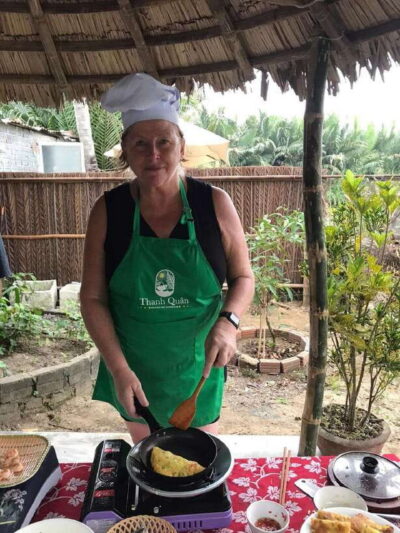
Hoi An cooking class days can be surprisingly personal. Here you cook in Cam Thanh coconut village with a local English-speaking chef, and you get the how and the why behind real Hoi An flavors. I like that you are hands-on, not watching from the sidelines.
What I also like is the payoff. You cook 4 local dishes yourself, then sit down to enjoy what you made with prepared side dishes. One thing to consider: this is a group tour (around 10 people), so the pace works best if you are happy sharing the spotlight and staying flexible with timing.
In This Review
- Key Points Before You Go
- Cam Thanh Coconut Village: Why This Location Matters Before You Cook
- Meeting Up, Welcome Tea, and How the Class Flows
- Cooking 4 Hoi An Favorites: What You’ll Make and Why They Taste Right
- The Cooking Steps: What Each Dish Teaches You
- Hoi An pancake: texture is the lesson
- Spring rolls: wrapping and filling discipline
- Papaya salad: balance is everything
- Chicken with lemongrass: aroma-first cooking
- After the Lesson: Eating Your Own Food (and Side Dishes That Make Sense)
- Value for $23: What You’re Really Paying For
- Group Tour Reality: How to Make It Feel Personal
- Who This Cooking Class Suits (and Who Might Skip It)
- Quick Practical Tips Before You Go
- Should You Book This Hoi An Traditional Cooking Class?
Key Points Before You Go
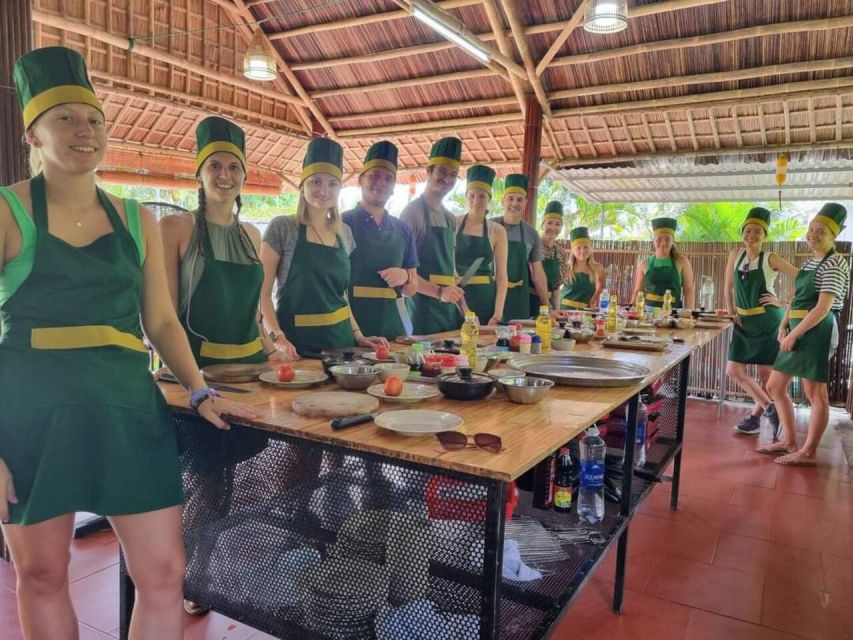
- Cam Thanh start, coconut-village setting: pickup is in the Cam Thanh area, then you move to the cooking spot in the coconut village.
- You cook, not just snack: you actively prepare and cook your own dishes in a friendly class.
- Four dishes with classic flavors: pancake, spring rolls, papaya salad, and chicken with lemongrass.
- Recipes to practice later: you leave with the recipes so you can repeat the dishes at home.
- Meal included at the end: morning slot includes lunch; afternoon slot includes dinner, plus side dishes.
- Small group size: limited to about 10 participants, which keeps the class from feeling chaotic.
Cam Thanh Coconut Village: Why This Location Matters Before You Cook
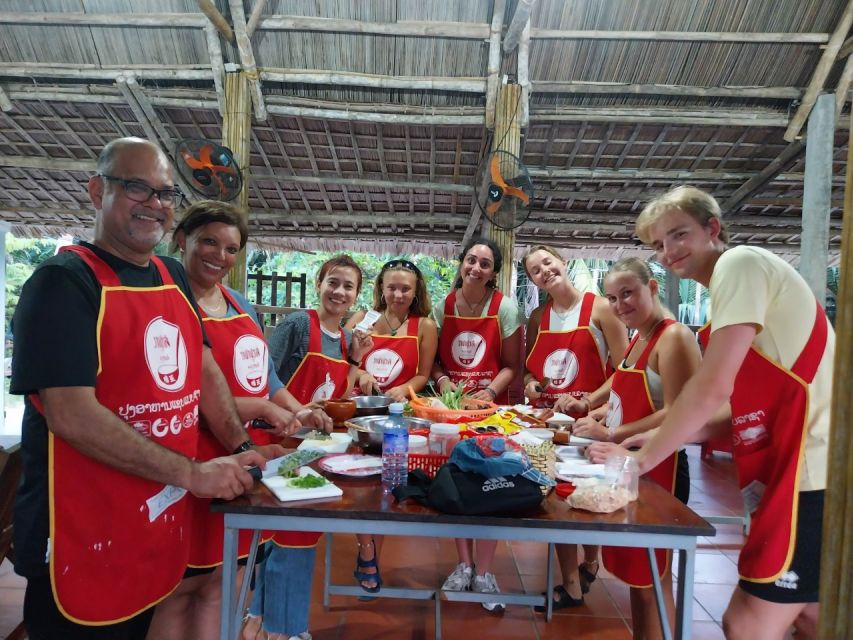
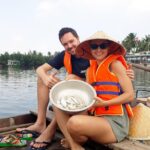
Hoi An is known for tailoring dishes to local tastes, and Cam Thanh is a helpful reminder that Vietnamese food is tied to place. This class begins near the coconut village area, so before you even lift a pan, you are in the right mood: rural, calm, and a little slower than the tourist core.
That matters because Hoi An cooking is not just a list of ingredients. It is technique. The way herbs get treated, how textures are balanced in spring rolls, and the way papaya salad hits sour-salty-sweet all come from method. Being in a coconut-village setting helps you focus on process, not performance.
You also avoid the common “demo-only” feeling. The format here is structured so you cook what you learn. Ingredients may be prepared in advance, but you still handle the cooking steps yourself. I like that balance. You get help where it counts, then you still do the work that makes the recipe stick.
You can also read our reviews of more cooking classes in Hoi An

Meeting Up, Welcome Tea, and How the Class Flows
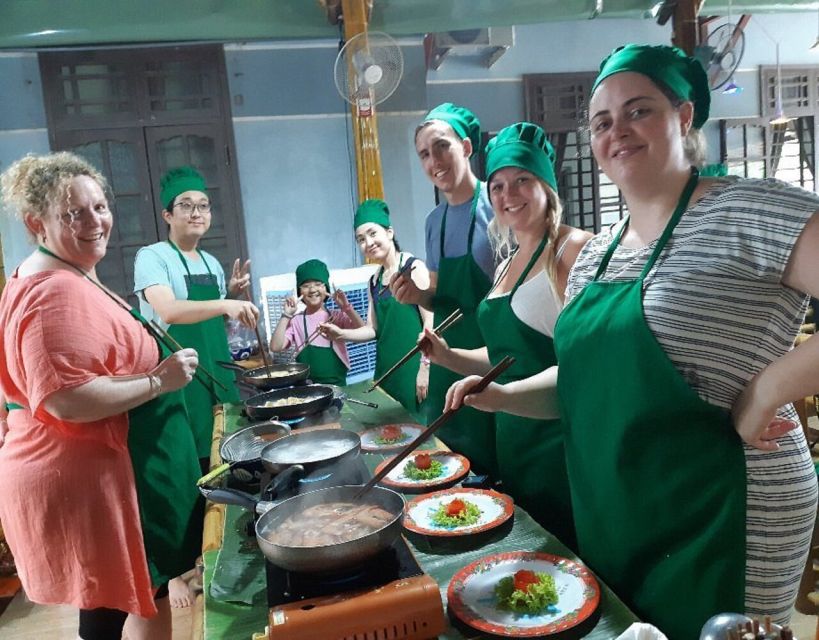
You will meet at Hoi An Village Experience in Cam Thanh, Hoi An. From there, pickup is scheduled around 10:20 for the morning slot or 16:20 for the afternoon slot, with the cooking portion in the coconut village.
You are not just dropped into a classroom. You start with a welcome tea and a short rest at the restaurant first. That little pause is practical in Vietnam heat, especially if you arrive a bit early or you have been walking around Hoi An already.
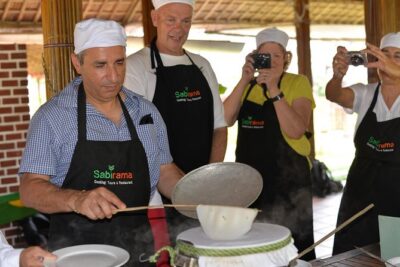
After the reset, you join the cooking class with an English-speaking chef (plus an English live guide). This is a small group tour, around 10 people, and it can combine with other participants. Translation: you’ll likely have enough room to move, but you should expect a conversational, shared pace rather than a private lesson.
Timing can shift slightly. If your day has tight reservations right after pickup, I would give yourself a buffer. The class ends around 13:30 for the morning slot or 19:30 for the afternoon slot.
Cooking 4 Hoi An Favorites: What You’ll Make and Why They Taste Right
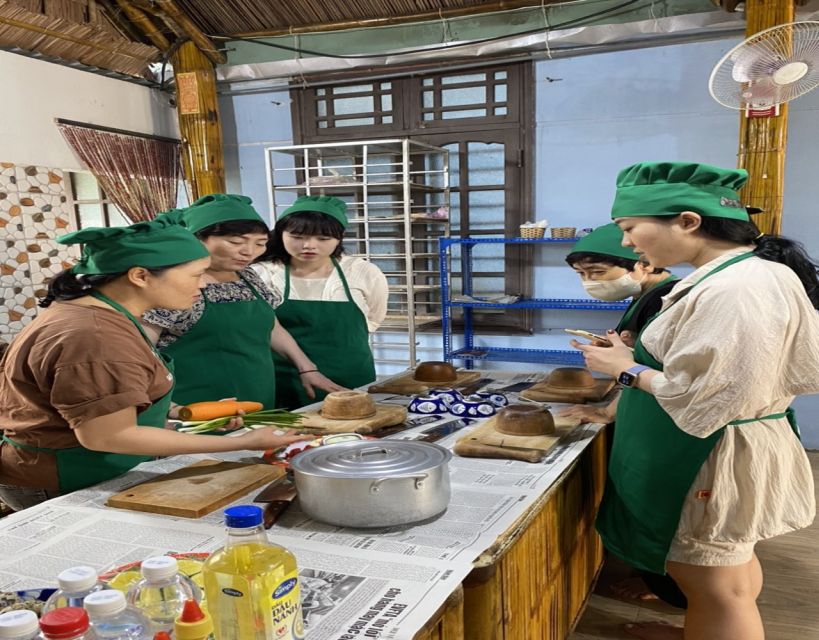
The class focuses on four classic dishes. They sound simple on paper, but each one teaches a different skill that you can reuse at home.
Here’s what you will cook:
- Hoi An pancake (often called a style of savory pancake; you’ll learn the method that gives it its texture)
- Spring rolls
- Papaya salad
- Chicken with lemongrass
The practical value is that these dishes cover major Vietnamese flavor goals:
- Pancake and spring rolls show you how to manage texture.
- Papaya salad teaches seasoning balance and freshness.
- Lemongrass chicken shows how aroma and heat work together, not just salt and sweetness.
A smart detail: ingredients are prepared in advance. That speeds up the lesson and keeps it friendly. It also means you spend your time on the steps that change the dish. You are learning technique, not doing a full from-scratch production line.
The Cooking Steps: What Each Dish Teaches You
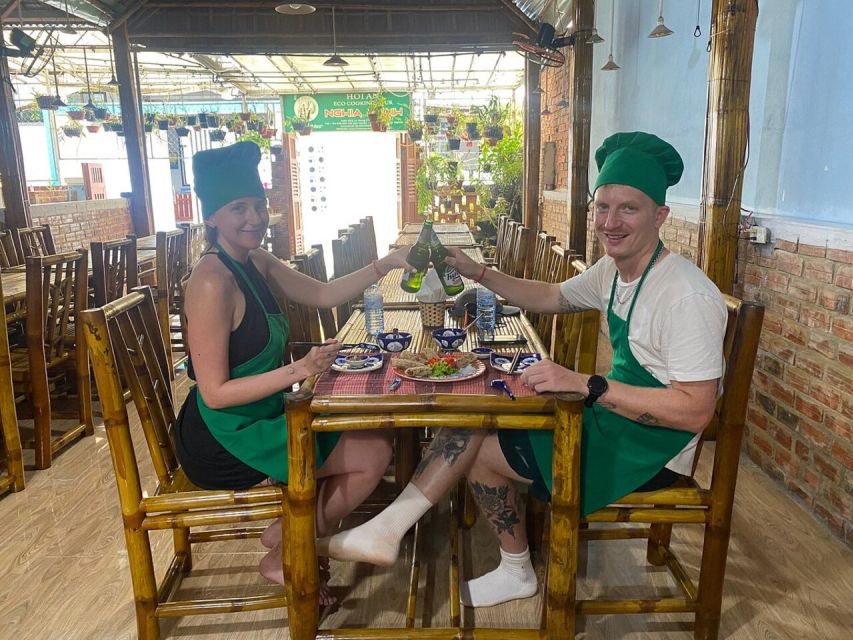
This is the part where you really learn, because each dish has a distinct rhythm. If you pay attention here, you can repeat the results later without memorizing every minute detail.
Hoi An pancake: texture is the lesson
Savory pancakes depend on batter consistency and cooking control. In a class like this, you learn how to handle the batter and manage heat so you get that right balance between crisp edges and a soft center (or the intended texture for this Hoi An style).
If you are the type who cooks at home but hates when results vary, this dish is a good teacher. Small changes in batter and pan temperature show up fast, so you can correct quickly.
You can also read our reviews of more tours and experiences in Hoi An


Spring rolls: wrapping and filling discipline
Spring rolls are where you learn to respect the wrapper. The goal is not only taste, but also structure. You’ll practice portioning and wrapping so the roll holds together and cooks evenly.
You will also get a clearer understanding of how filling moisture affects wrapping. That’s one of those cooking problems you might face later when you try the recipe at home with different ingredients. Learning it here helps you adjust.
Papaya salad: balance is everything
Papaya salad teaches the science of flavor balance: sour from green papaya, saltiness, sweetness, and the punch of herbs and aromatics. This is one dish where “close enough” seasoning still tastes off.
In class, you will see how quickly taste changes as ingredients combine. The practical takeaway: do not just follow amounts blindly. Taste as you go. If you learn that habit here, you’ll get better results at home with your own preferences.
Chicken with lemongrass: aroma-first cooking
Lemongrass chicken is not about overpowering lemon taste. It is about building aroma. You learn how lemongrass works with the rest of the sauce and why timing matters.
This is also a good confidence-builder. Chicken is forgiving compared with delicate seafood. If you can cook this well, you can handle the idea of making Vietnamese-style flavors at home without feeling like you need professional tools.
After the Lesson: Eating Your Own Food (and Side Dishes That Make Sense)
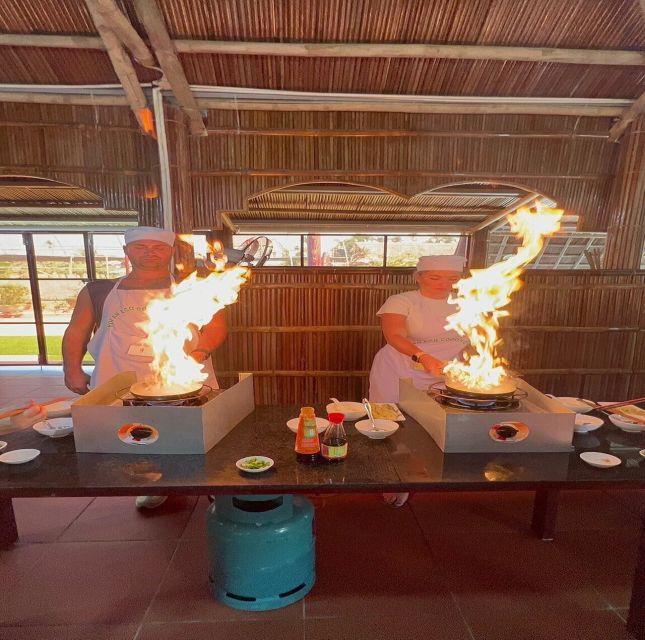
Once cooking is done, you eat what you prepared. This part is more than a reward. It’s also a reality check.
You’ll get to compare what you thought you did right while cooking versus how it tastes on the plate. That feedback loop makes the whole class more useful. Then you enjoy prepared side dishes too, which helps you see how Hoi An plates work as a system, not isolated recipes.
If you want to turn the experience into a meal you remember, take a slow approach here. The dishes are connected. Papaya salad acidity cuts through rich textures. Lemongrass chicken aroma pairs with the crunch of spring rolls. Even the pancake style has a reason for showing up alongside the rest.
Drinks are not included, so if you want something besides water, plan on paying extra on site. One of the nice touches you might notice in similar classes is that people sometimes add on extra beer, making the meal feel like a celebration rather than a checkbox. You control that choice.
Value for $23: What You’re Really Paying For
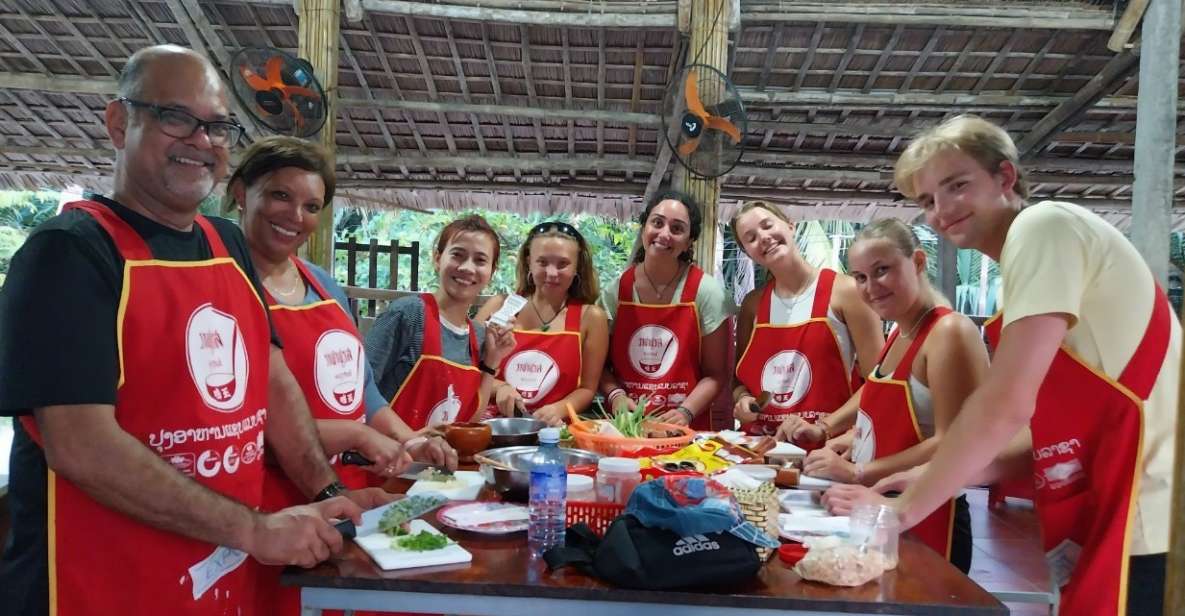
At $23 per person, this class competes well with other cooking experiences in Hoi An, mainly because the structure is efficient and the learning payoff is clear.
Here’s what your money covers:
- An English-speaking chef and an English live guide
- Welcome tea
- All ingredients
- Your meal at the end (lunch for the morning slot, dinner for the afternoon slot)
That last point matters. Many cooking classes in this area teach a bit and then send you into the street to fend for yourself. Here, you eat what you cook, with side dishes included. You are paying for instruction plus an actual meal, which makes the math easier.
You should also factor in the take-home usefulness. Reviews mention that you receive recipes at the end. That is a big value driver for me. If you leave with written recipes, you can turn one afternoon into several home cooking attempts.
What costs extra? Drinks, personal expenses, and any optional additions you make. Also, there can be an extra 200,000 VND cash charge for booking on Vietnamese public holidays. If you are traveling around a major holiday, check your dates carefully and plan cash just in case.
Group Tour Reality: How to Make It Feel Personal
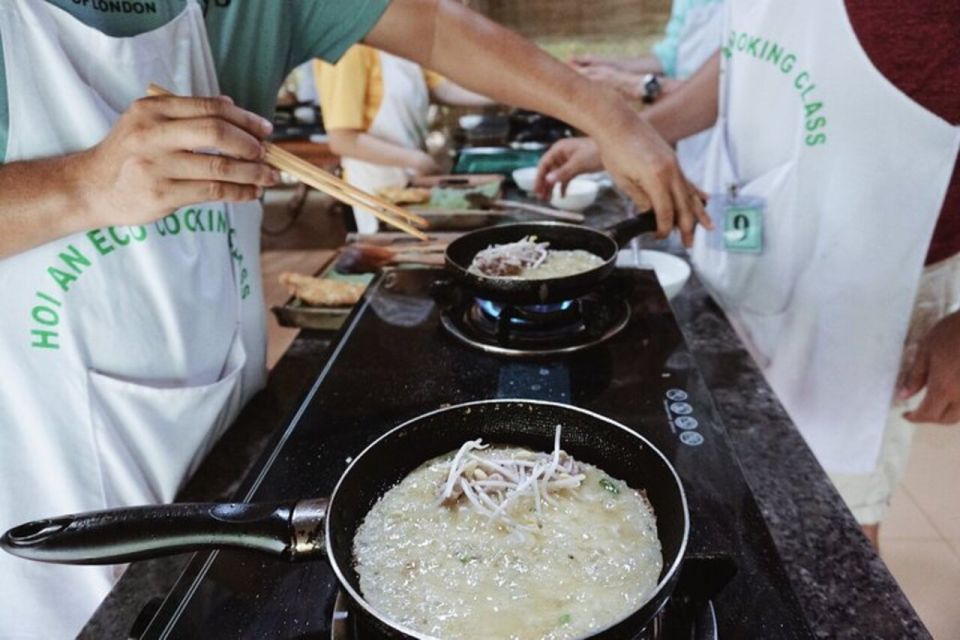
This is not a private class. It’s a group tour around 10 participants. That can be perfect if you want a lively vibe, but you should know what it means for your experience.
You will share the cooking space with others. That does not automatically reduce quality, but it does change how questions get answered. To get the most, I recommend you show up ready to participate, not just observe. When the chef is demonstrating a step, watch for the small cues: how ingredients are handled, how heat is managed, how the salad gets balanced.
It also helps if you go with a flexible mindset about schedule. The time can change slightly. In Vietnam, a few minutes is normal. If you treat the schedule like a guideline, you’ll have a calmer experience.
Who This Cooking Class Suits (and Who Might Skip It)
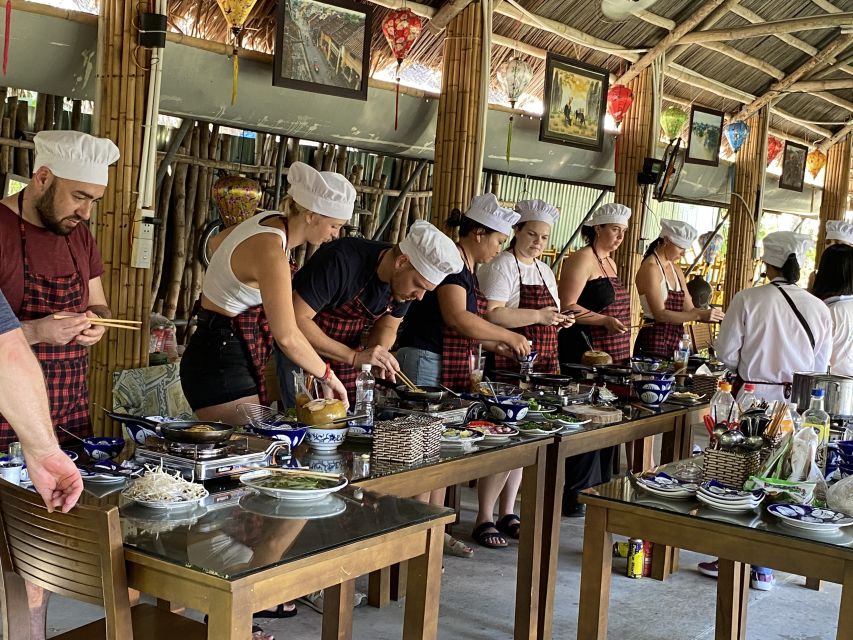
This class is a strong fit if you:
- Want a hands-on Hoi An food lesson
- Like learning recipes you can actually cook later
- Enjoy getting a look at rural life around Cam Thanh
- Prefer small groups instead of huge tour buses
It may feel less ideal if you:
- Want a fully private, one-on-one lesson
- Have a strict timeline with no room for delays
- Get frustrated when a class is interactive and shared
The flip side: most people come to cooking classes to do something with their hands. If that is you, you’ll likely enjoy the format.
Also note: pets are not allowed. If you are traveling with an animal, you will need a different plan.
Quick Practical Tips Before You Go
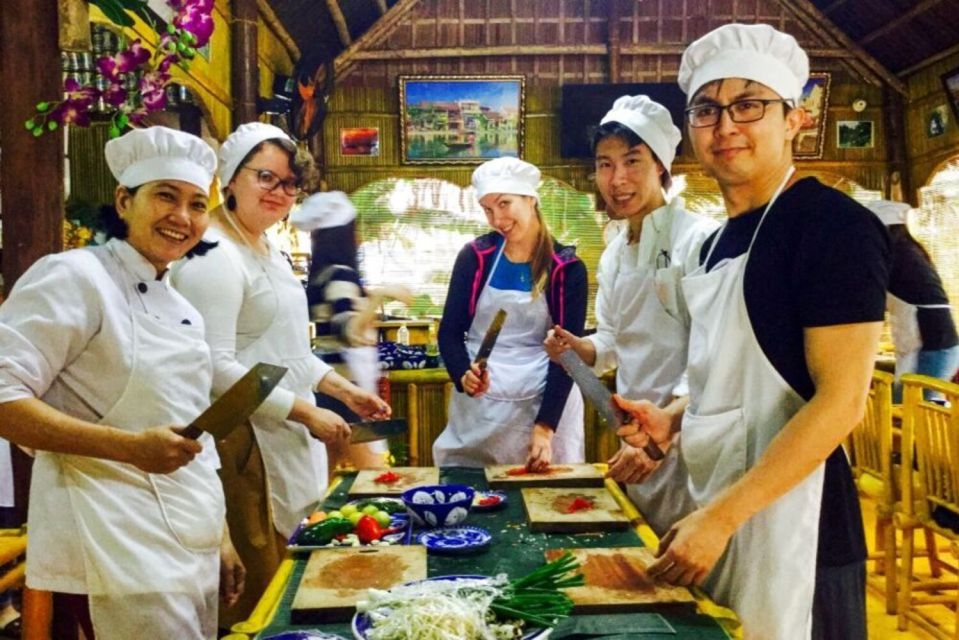
These are simple, but they make the day smoother:
- Wear something you don’t mind getting splashed or scented from cooking.
- Bring a light layer if you get chilly at night on the afternoon slot.
- If you care about dietary preferences, request vegetarian/vegan in advance so the menu can be arranged.
- Plan for drinks to be an extra expense since they are not included.
- If you’re going on a Vietnamese public holiday, keep in mind the possible extra 200,000 VND cash charge.
Should You Book This Hoi An Traditional Cooking Class?
Book it if you want a practical cooking lesson with a real payoff: you cook four dishes, eat what you made, and leave with recipes you can practice at home. The Cam Thanh setting also adds context that you don’t get with a kitchen-only experience.
Skip it only if you truly need private instruction or you are trying to squeeze the class into an ultra-tight schedule.
If you are on the fence, my advice is to lean toward this one. At $23 with ingredients and a meal included, it is hard to beat the value—especially when your goal is to learn technique, not just take photos.