REVIEW · HOI AN
Hoi An Local Market and Vegetable Village Cooking Class
Book on Viator →Operated by Hoi An Cooking Class · Bookable on Viator
Smell herbs, then cook them yourself. This Hoi An class ties together three things I love: a local market, a Tra Que vegetable stop, and a hands-on cooking session with chef guidance that turns ingredients into real meals fast.
You’ll get a close look at how Vietnamese cooks think—what to buy, what matters, and how flavors actually come together on the plate. A chef-led approach makes it feel like learning a skill, not just watching food happen.
I also like the small-group feel. With a max of 12 people, you’re not stuck in a crowd where questions die off. The market-and-farm flow sets you up well for the later cooking, and you’ll finish with food you made yourself, not a token bite.
One possible drawback: it’s weather-dependent, and parts of the day are outdoors. If rain rolls in or the weather is rough, your comfort level (and timing) can change.
In This Review
- Key things to know before you go
- A half-day with real food skills, not just sightseeing
- Hoi An Local Market: figuring out herbs, veggies, and vendor talk
- Tra Que Vegetable Village: organic greens and the herb education piece
- Cam Thanh: basket boats, a welcome drink, then four-dish cooking
- What you’ll actually learn in the kitchen
- Price and value: why $29 feels fair for this format
- Timing, transport, and how to set yourself up for a smooth day
- Who this is best for (and who might want something else)
- Should you book Hoi An Local Market and Vegetable Village Cooking Class?
- FAQ
- How long is the Hoi An Local Market and Vegetable Village Cooking Class?
- What does it cost?
- Is pickup available?
- How many people are in the group?
- What stops are included?
- Do you cook food, and how many dishes?
- Is there a boat ride in Cam Thanh?
- Are tickets included for the market and vegetable village?
- What is the cancellation policy and is weather a factor?
Key things to know before you go
- Market first, so you know what you’re buying and why
- Tra Que vegetable village focuses on organic greens and herbs
- Cam Thanh adds basket-boat fun and fishing technique context
- Chef instruction includes traditional methods and ingredient differences
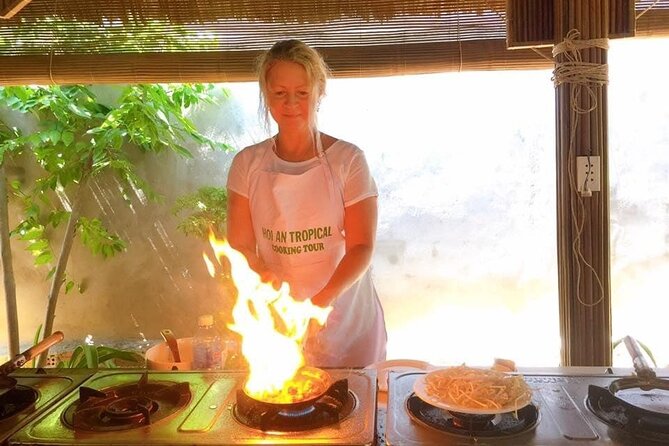
- You’ll cook four Vietnamese dishes and eat well
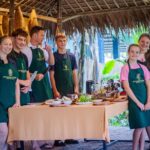
- Small group size (up to 12) keeps the class from feeling rushed
A half-day with real food skills, not just sightseeing
Hoi An is famous for pretty streets and lantern light. This experience is different. It’s about food you can trace back to where it grew, then turn into dinner yourself. That matters, because it changes how you remember the place. You don’t just recall photos. You recall flavors, textures, and the little decisions behind them.
The pacing is built for learning without frying your brain. You start with ingredients, move to the farm ecosystem behind them, and then you get serious hands-on cooking. It’s a logical route: first you learn what’s available, then you see how people grow it, and only then do you cook. That order makes the cooking class click.
Even the guide style is part of the value. Chefs like Hai (and sometimes Ly Hi is mentioned in class leadership) aren’t there to perform. They’re there to teach you how to make Vietnamese food with a method you can repeat later.
You can also read our reviews of more shopping tours in Hoi An

Hoi An Local Market: figuring out herbs, veggies, and vendor talk
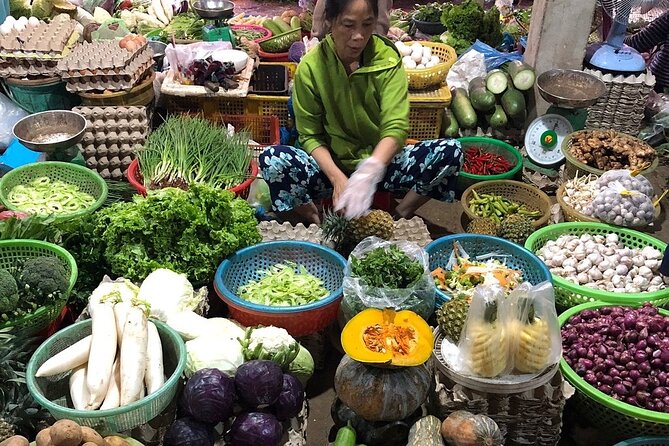
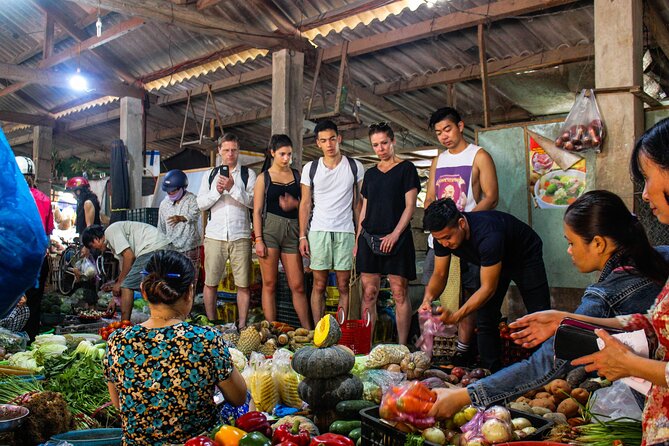
The market stop is short, but it’s not a drive-by. You’re there to get your bearings and learn how to deal with sellers. That sounds small, but it’s actually practical. Markets are where you learn how ingredients behave in the real world—what’s fresh, what’s fragrant, and what’s in season.
This is also where your cooking day starts to feel personal. By the time you reach the stove, you’re not cooking from a mystery list. You’ve already seen the ingredients and talked through what they do in Vietnamese dishes. That makes it easier to understand why certain herbs matter more than just adding greens for color.
What to watch for while you’re there:
- Look for herbs and greens that smell strong when you crush a leaf lightly in your mind (don’t be shy about asking what to buy).
- Pay attention to how ingredients are grouped together. Vietnamese cooking often builds flavor layers.
- If you’re allowed to buy items, consider grabbing a couple of ingredients you can actually find back home. This is a smart way to keep the lesson going after your trip.
The potential drawback here is simple: markets are busy by nature. If you don’t enjoy crowds, go in with a calm plan. Focus on learning, not on speed. A quick question to the chef or guide about what to choose will save you later confusion.
Tra Que Vegetable Village: organic greens and the herb education piece
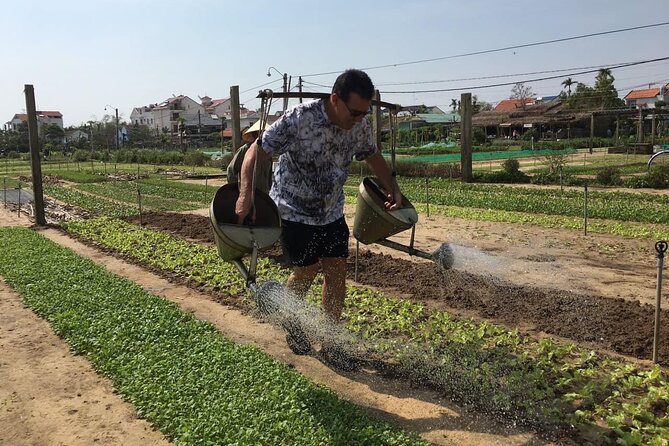
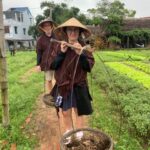
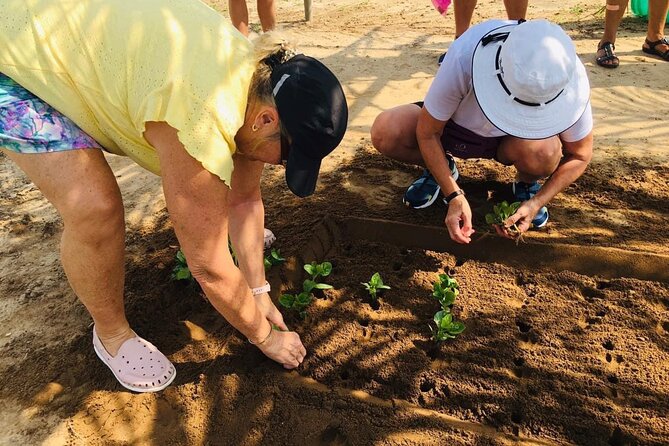
Next comes the vegetable village, and this is where the day turns from “ingredients on display” to “ingredients in motion.” You spend time in an organic farming area where vegetables look crisp and green in the field and where the community farming vibe comes through.
I like this stop because it gives context. When you understand how produce is grown, you cook with more respect for freshness and texture. Vietnamese recipes often depend on herbs and leafy plants in a way that doesn’t feel optional. It’s not garnish. It’s flavor and aroma.
You also get what I’d call herb education. The class descriptions and feedback point out how you’re introduced to herbs Vietnamese people use in cooking, and you learn about flavors that stand up even when you cook quickly. That’s useful because lots of home cooks struggle with herbs—they either overuse them, underuse them, or treat them like decoration.
What you’re likely to take away from Tra Que:
- Which herbs are common and what they add beyond taste (scent, bitterness, cooling notes).
- How greens behave in Vietnamese dishes—some stay bright, some soften, some need the right timing.
- A sense of how farm-grown ingredients differ from the limp version you might find at home.
Time here is limited (about 30 minutes), so don’t expect a long slow tour. Think of it as a concentrated primer. You’re walking away with ingredient knowledge you’ll immediately use in the cooking phase.
Cam Thanh: basket boats, a welcome drink, then four-dish cooking
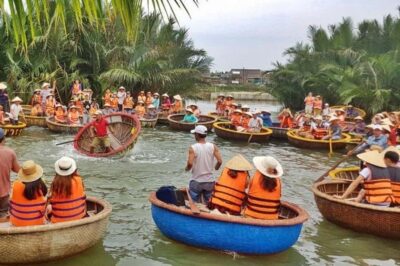
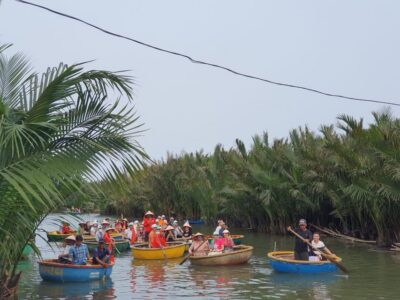
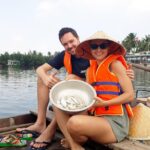
Cam Thanh is where the experience broadens beyond food. You get a boat-style activity with basket boats and a look at different fishing techniques. This part matters because it connects food culture to daily life along the water. Even if you just watch and listen, it changes the mood from classroom to story.
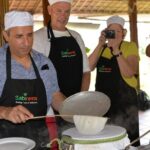
After that, you head back for a welcome drink, then it’s full-on cooking class time. This is the moment the day earns its keep. The chef teaches differences about ingredients and traditional methods, and you cook four Vietnamese dishes.
Here’s why that teaching approach is so valuable: it’s not just recipe recitation. It’s fundamentals. When you understand ingredient differences, you stop relying on exact measurements and start understanding the goal—balanced flavor, proper timing, and the right texture. That’s what helps you cook at home without feeling like you need a translator for every step.
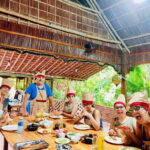
Group size plays a role again. With up to 12 people, you’re more likely to get help when something doesn’t look right. That support is especially useful in cooking classes, where one person’s question can keep everyone from repeating a mistake.
A practical note: if you’re the type who hates messy hands, you’ll still be okay, but you should expect some cooking chaos. Vietnamese home cooking has a tactile side—chopping herbs, mixing sauces, tasting as you go. The goal is not perfection. The goal is learning.
And yes, you should plan to leave hungry in a good way. The four dishes are enough that the day feels like a real meal plan, not a snack-and-demo.
What you’ll actually learn in the kitchen
A lot of cooking classes give you a worksheet. This one aims to give you thinking tools.
From the chef-led instruction and the structure of the day, you can expect to learn:
- Ingredient roles, not just ingredients. You learn what each component brings to the final dish.
- Traditional methods, which are often about timing and technique. If the guide emphasizes how things are prepared, it’s because those steps affect flavor.
- How to follow a process without getting lost. Market-to-farm-to-stove means the lesson builds logically.
What I find most useful for travelers is that it trains your instincts for buying and cooking Vietnamese food later. After you see greens in Tra Que and ingredients in the market, you start recognizing what matters in Vietnamese dishes: herbs for aroma, freshness for brightness, and the way sauces balance salty, sour, and sweet.
Also, the class is designed for fun. That sounds fluffy, but it’s practical: when people enjoy the cooking, they ask more questions and pay attention to details. In this class setup, that tends to happen.
You can also read our reviews of more tours and experiences in Hoi An
Price and value: why $29 feels fair for this format
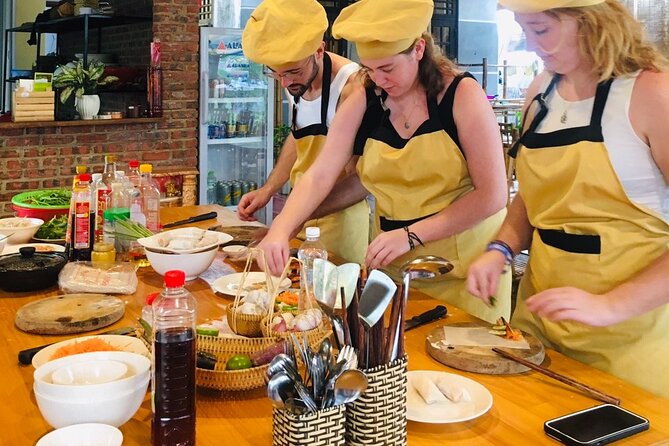
$29 per person is a good deal for a half-day experience that includes real teaching time, market and village entry coverage, and a guided cooking session that results in multiple dishes. You’re not just paying for a meal. You’re paying for structured learning plus a farm-to-food route.
There are a few value signals:
- Small group max of 12 means more attention per person.
- Admissions included for the market and vegetable village reduces extra surprises.
- Pickup offered adds convenience. Even if you’re used to sorting transport on your own, it reduces friction on a day that already has multiple stops.
- The class cooks four dishes, so you get more than a demo plate.
If you’re comparing this to basic cooking demos that feel like watching someone else cook, this feels closer to a working workshop. And if you’re the kind of traveler who wants one memorable activity that teaches skills, this hits.
Timing, transport, and how to set yourself up for a smooth day
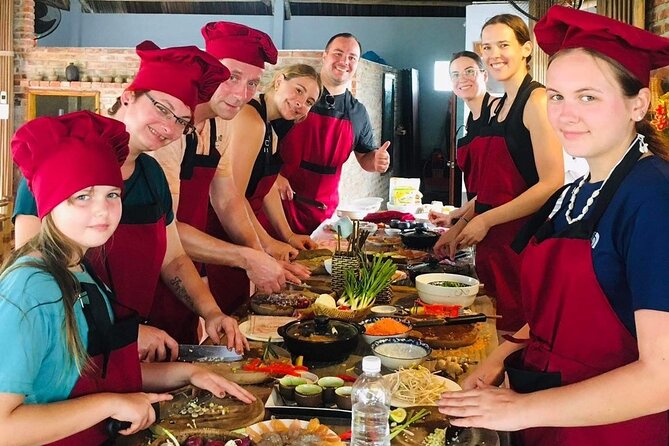
The total duration is about 4 hours 30 minutes. That’s long enough to feel like a full experience, but short enough that you still have time for the rest of Hoi An after.
Here’s how I’d plan your day around it:
- Wear breathable clothes you don’t mind getting a little food-smelling or slightly stained. Vietnamese cooking involves herbs.
- Bring something for sun and light rain. Weather can affect comfort since the tour requires good weather.
- If you use the pickup, confirm your meeting point timing so you don’t feel rushed.
The experience also notes it’s near public transportation. So if you decide pickup isn’t worth it for your schedule, you should still have an easy way to reach the starting area.
One more thing: it’s popular. If you’re traveling during peak weeks, booking ahead helps you get the slot you want.
Who this is best for (and who might want something else)
This is best for you if you want:
- A food-centered day that connects ingredients to where they come from
- A cooking class with a real teaching approach, including ingredient differences and traditional methods
- A small group experience where questions are welcome
- A half-day plan that ends with satisfying food you cooked yourself
It might be less ideal if:
- You strongly dislike outdoor time, especially if weather turns
- You want a very laid-back sightseeing day with lots of free time at each stop
- You only want restaurant-style tasting and prefer to avoid hands-on cooking
Should you book Hoi An Local Market and Vegetable Village Cooking Class?
Book it if you’re looking for a practical, hands-on way to understand Vietnamese flavors. The market-to-farm-to-kitchen structure is exactly what makes this class worth the money. You get the ingredient story early, then you use that story while cooking four dishes with chef instruction.
Skip it only if weather worries you too much or you’re not interested in cooking. Otherwise, this is one of the more worthwhile half-day experiences in Hoi An because it leaves you with skills, not just photos.
FAQ
How long is the Hoi An Local Market and Vegetable Village Cooking Class?
It runs for about 4 hours 30 minutes.
What does it cost?
The price is $29.00 per person.
Is pickup available?
Pickup is offered.
How many people are in the group?
The tour has a maximum of 12 travelers.
What stops are included?
You’ll visit the Hoi An local market, the Tra Que vegetable village, and Cam Thanh.
Do you cook food, and how many dishes?
The chef teaches you to cook 4 Vietnamese dishes.
Is there a boat ride in Cam Thanh?
There is a boat ride with discussion of different fishing techniques.
Are tickets included for the market and vegetable village?
Yes, admission tickets are included for the market and Tra Que vegetable village.
What is the cancellation policy and is weather a factor?
Free cancellation is available up to 24 hours in advance for a full refund. The tour requires good weather, and if it’s canceled due to poor weather, you’ll be offered a different date or a full refund.