REVIEW · HOI AN
Hoi An: Half-day Excursion To My Son Sanctuary Tour
Book on GetYourGuide →Operated by Hoi An Express · Bookable on GetYourGuide
Champa temples hide in a mountain valley. This half-day excursion to My Son Sanctuary is one of those trips where the scenery is part of the lesson, not just the backdrop. I love the chance to see UNESCO tower-temples that served as the religious and political heart of the Champa Kingdom, and I also like how the English-speaking guide turns ruins into a story you can actually follow. The only real drawback is timing: you get a focused visit, but not a slow, linger-all-afternoon pace.
You’re looking at about 4.5 hours total, with hotel pickup and drop-off in Hoi An (city center, not South Hoi An). The drive to the site is roughly 75 minutes each way, so you’ll want to be comfortable in your seat and ready for a guided walk once you arrive. For the money, the value is strong because entrance fees, bottled water, and travel insurance are handled, and the guide does the heavy lifting—especially if this is your first time reading about Champa and Indian Hindu influences.
In This Review
- Key things I’d pay attention to
- My Son Sanctuary in Four Hours: Why This Half-Day Works
- Getting There From Hoi An: The Van Ride and Timing
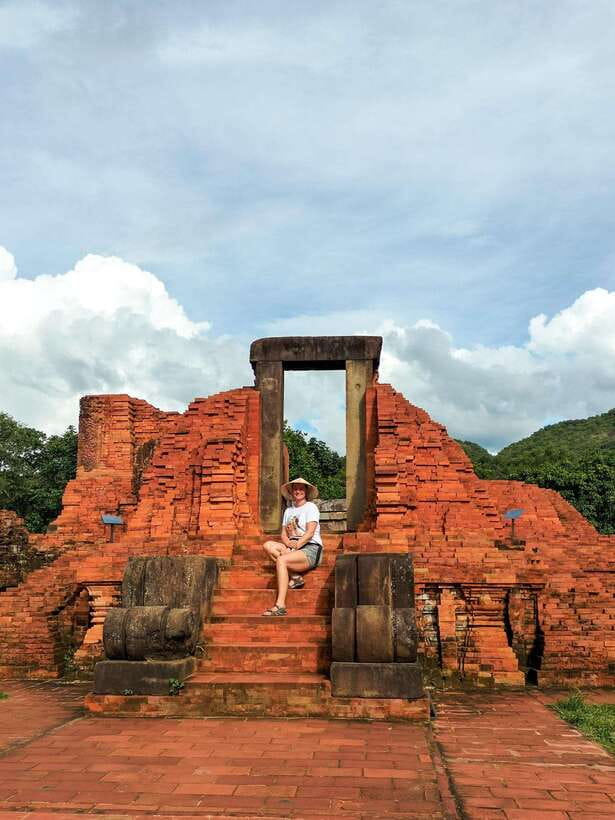
- The UNESCO Site: What You’ll See Inside the Valley
- Tower-Temples, Bricks, and Fire: The Champa Story You’ll Actually Remember
- The Traditional Dance Show and Photo Stops: More Than a Waiting Room
- Guide Quality Makes or Breaks My Son
- What to Wear and Bring: Shoes Matter on Uneven Ground
- Price and Value for $43: What You Get and Why It’s Fair
- Who Should Book This Tour (and Who Might Skip It)
- Should You Book This Hoi An to My Son Sanctuary Tour?
- FAQ
- How long is the Hoi An to My Son Sanctuary half-day tour?
- What’s included in the $43 price?
- How far is My Son Sanctuary from Hoi An?
- Is there a traditional dance show during the visit?
- Where do you pick up and drop off in Hoi An?
- Can children join the tour?
Key things I’d pay attention to
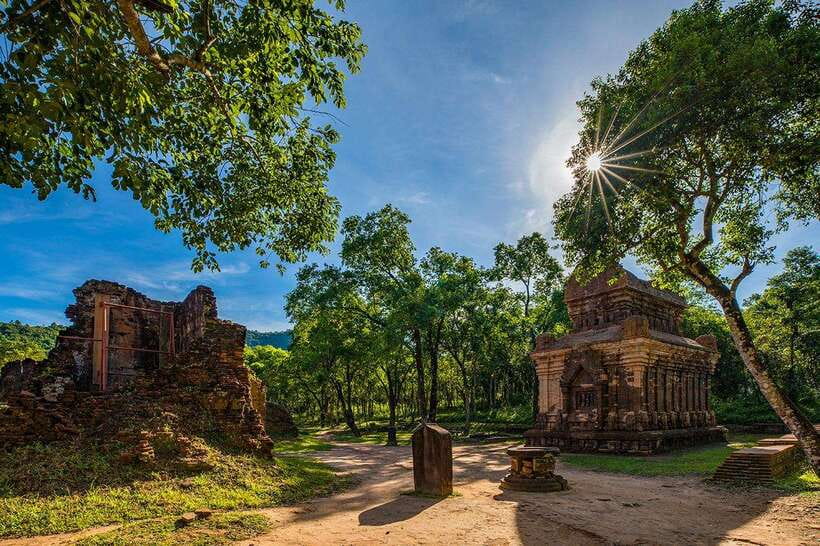
- UNESCO My Son Sanctuary: Cham tower-temples from roughly the 4th to 13th centuries
- A real guide, not just directions: English explanations that connect architecture to belief and power
- 105 minutes on site: enough time for the main views, but you should move with purpose
- Traditional dance performance included: a cultural add-on that fits the ruins’ spiritual theme
- Time on the road: about 75 minutes each way, so plan for a busier travel day than it sounds
- Pickup area matters: Hoi An city center pickup is included, while South Hoi An is excluded
My Son Sanctuary in Four Hours: Why This Half-Day Works
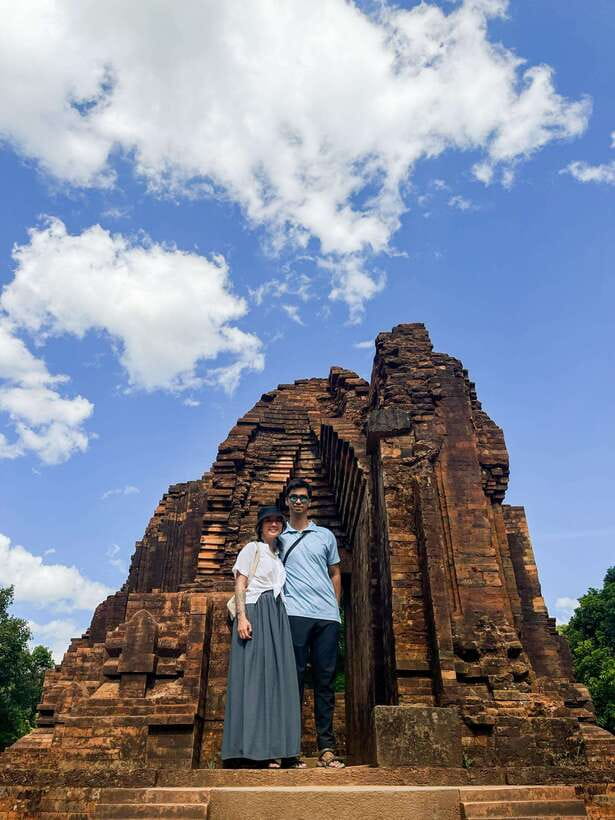
My Son isn’t a “sprinkled-with-ruins” kind of stop. It’s a concentrated archaeological site in a lush valley, where you can look at temple towers and think about how Cham rulers organized ceremony, power, and identity. The half-day format is smart because it gives you enough time to grasp the place without turning your day into a full logistics project.
This tour also has the right structure for first-timers. You start with a straightforward transfer out of Hoi An, then you hit the site for a guided visit, photos, a walk, and a short cultural performance. By the time you’re back in town, you still have daylight left for Hoi An’s riverside wandering or a proper lunch.
The hidden benefit? It’s a chance to see how Central Vietnam connects to wider Southeast Asian history. My Son was shaped by Indian Hinduism, and the architecture reflects that blend—something you’ll appreciate more when a guide points out what you’re looking at.
You can also read our reviews of more tours and experiences in Hoi An

Getting There From Hoi An: The Van Ride and Timing
The day starts with hotel pickup in Hội An, with drop-off back in town at the end. The trip includes a bus/coach segment of about 75 minutes to reach My Son, then another 75 minutes back, plus a shorter coach segment before you arrive.
That travel time is the main reason this feels fast. Once you’re on the road, you’re not earning extra “free time” by being early—you’re just getting to the site with enough buffer to enjoy the guided visit. So the best move is to treat the transport as part of the day, not a chore you can ignore.
I like that bottled water is included, because it matters on this route. Even when weather is pleasant, you can feel the long ride and then the valley heat once you start walking. If you get motion-sick, bring what works for you; the tour schedule is fixed enough that you won’t want to stop mid-transfer.
One thing to keep in mind: the pickup is only listed for Hoi An city center (excluding South Hoi An). If your hotel is farther out, double-check the meeting point or ask what the closest pickup option is.
The UNESCO Site: What You’ll See Inside the Valley
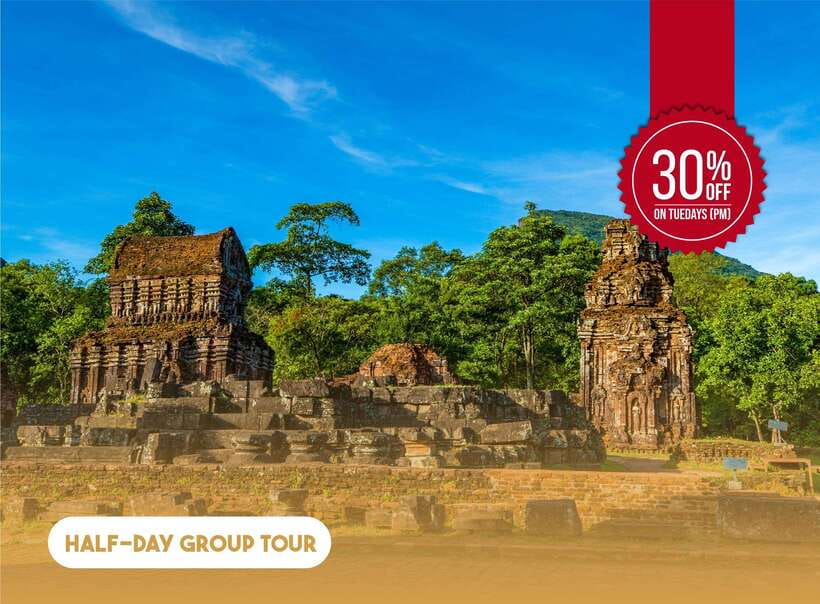
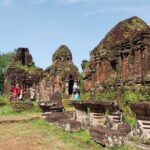
My Son Sanctuary sits about 40 kilometers west of Hoi An and is described as Vietnam’s most significant archaeological site from the ancient Champa Kingdom. The big attraction is the cluster of tower-temples—some still standing as architectural statements even though many original structures are gone.
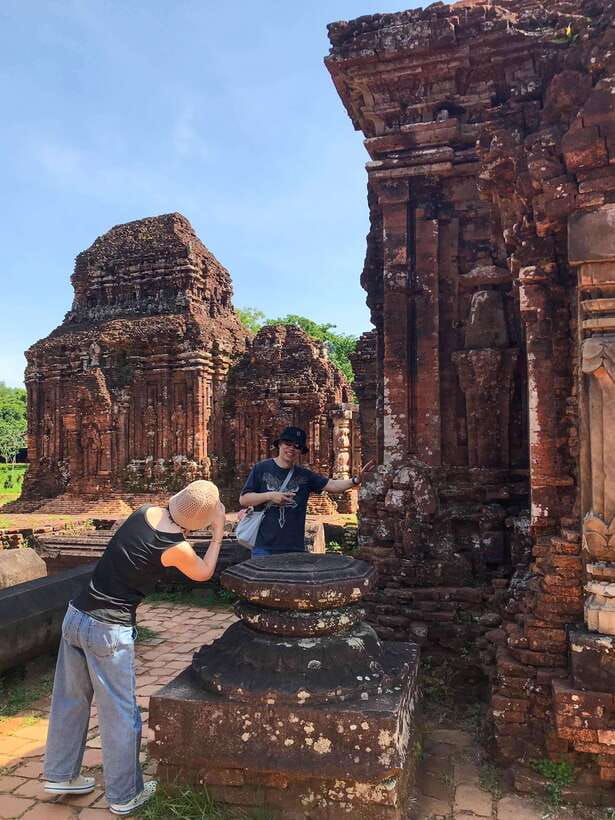
When you arrive, you’ll get a guided tour that focuses on how the sanctuary functioned as a religious and political center. That’s important, because if you just walk around on your own, a site like this can feel like scattered remnants. With a guide, you’re better able to connect temple design to spirituality and leadership.
You’ll also notice the setting: the valley and the surrounding mountain ranges aren’t just pretty. They frame why My Son was chosen and how the site likely felt during key ceremonies. This is one of those UNESCO places where your eyes keep moving—tower shapes, stonework details, and sightlines to other structures.
Also, plan your pace. The walk time is part of the overall visit window, so it’s best not to get stuck lingering in one corner. I’d rather you take a few moments to take photos right where the guide is standing, then keep momentum so you catch the main views before the group moves on.
Tower-Temples, Bricks, and Fire: The Champa Story You’ll Actually Remember
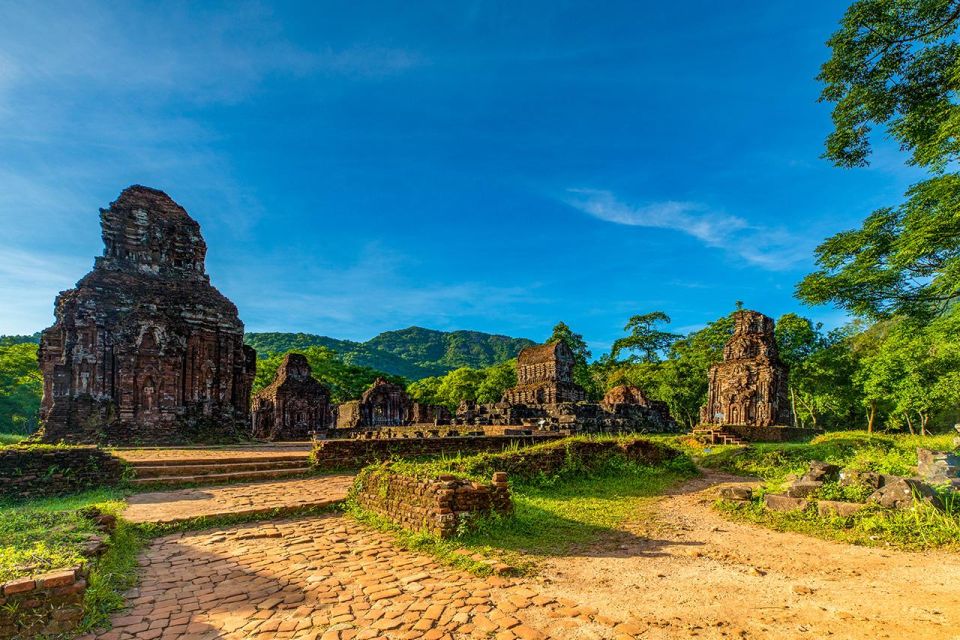
A good My Son guide doesn’t just point at towers. They explain why those towers matter. Here’s the kind of context that makes the site click:
In this sanctuary, you’re looking at structures created between about the 4th and 13th centuries, when the Champa Kingdom held influence in the region. Many temple buildings were originally made from wood, and the site suffered major damage in the 6th century from fire. Later, in the 7th century, restoration work is credited to Sambhuvarman, who used locally made bricks for rebuilding.
That detail is more than trivia. It helps you understand why some elements look more permanent than others and why restoration history is part of the present-day experience. It also means you’re not just sightseeing ruins—you’re seeing a long chain of rebuilding, belief, and politics.
By the 13th century, the sanctuary had grown into a large religious center with over 70 temples. Today, what remains is an architectural ensemble that hints at what once existed on a bigger scale.
And one more layer: restoration has also been shaped by the Vietnam-American war, and guides often explain that ongoing work as part of why the site looks the way it does now. That context adds weight to your photos. You’re not just capturing old stones; you’re documenting something that has survived and been carefully brought back into public view.
The Traditional Dance Show and Photo Stops: More Than a Waiting Room
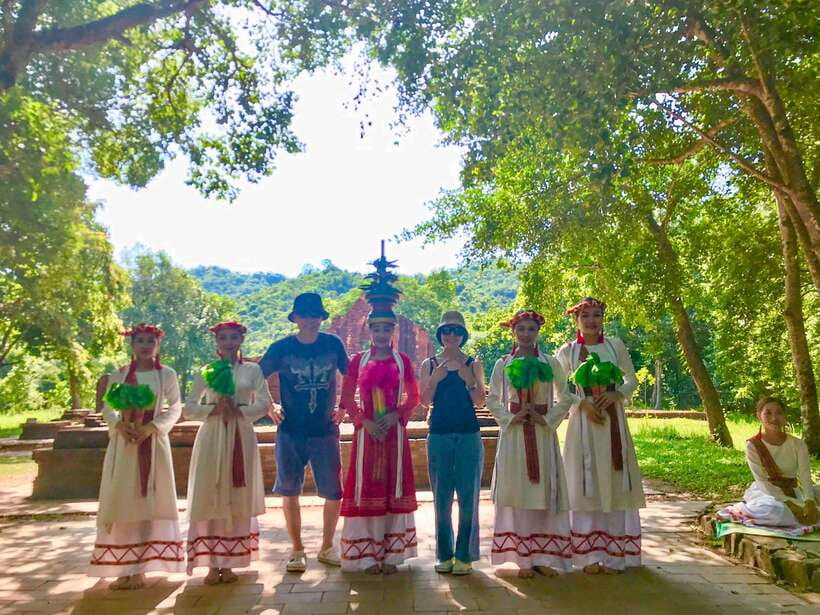
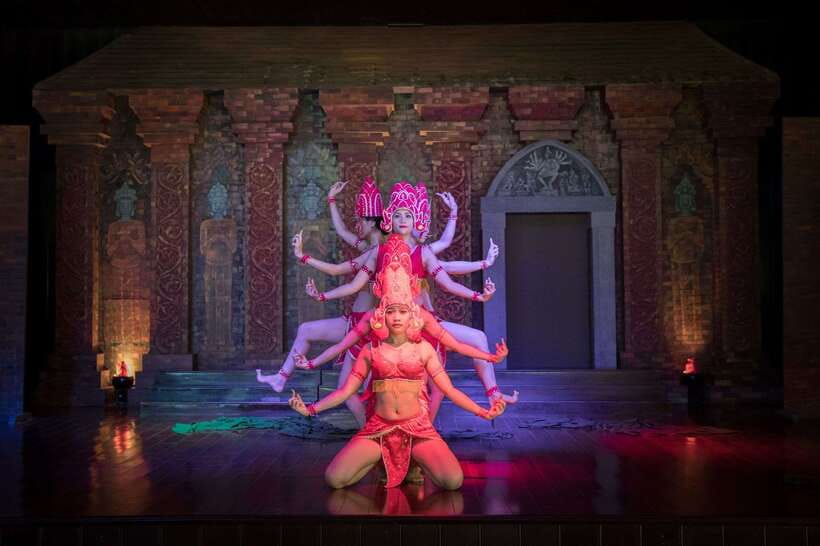
This half-day tour isn’t only ruins on a timetable. After the main orientation, you’ll have time for a photo stop and guided sightseeing, plus a traditional dance show as part of the visit window.
That performance matters because it connects the space to ceremony and cultural expression. Even if you’re not there for dancing, it’s a helpful reset. You get to step out of pure architectural reading for a few minutes and experience how local culture interprets and presents heritage.
Timing-wise, the dance show sits inside the roughly 105 minutes spent at My Son. That means it won’t swallow your visit, but it also won’t be a throwaway detail. If your priority is photos of temple towers only, you’ll still want to watch the performance at least once—because it gives you a broader sense of the site’s spiritual setting.
If the group is moving quickly (it can be, depending on the day), try to take your photos during the guide-led stops. You’ll usually get the best angles without wandering off and losing the group’s rhythm.





Guide Quality Makes or Breaks My Son
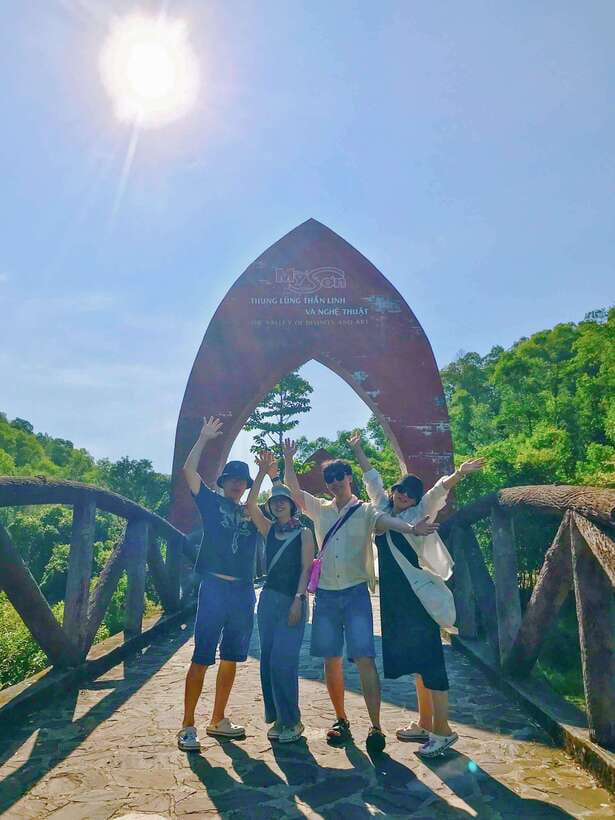
My Son is one of those places where a guide isn’t optional. Even if you’re the DIY type, the architecture is complex enough that you’ll benefit from someone pointing out what’s symbolic and what’s functional.
The strongest feedback for this tour is consistently about the guide experience—English that’s clear, explanations that are organized, and personalities that keep the group engaged. Names that popped up in the guide roster include Be, Wind, Tin, Eric, and Key. Different guides, similar theme: they make the place understandable.
I also like that many guides are described as punctual and structured. That matters because My Son has enough going on that a loose, unstructured tour can turn into a blur of walking and random photos. A good guide helps you understand the temple design, how people likely lived and prayed around the sanctuary, and why restoration efforts matter today.
There can be occasional downsides. If you’re sensitive to accents or audio clarity, you may find that you need to lean in during busy moments at the site. The fix is simple: stay close to the guide during explanations and don’t drift to the back of the group.
What to Wear and Bring: Shoes Matter on Uneven Ground
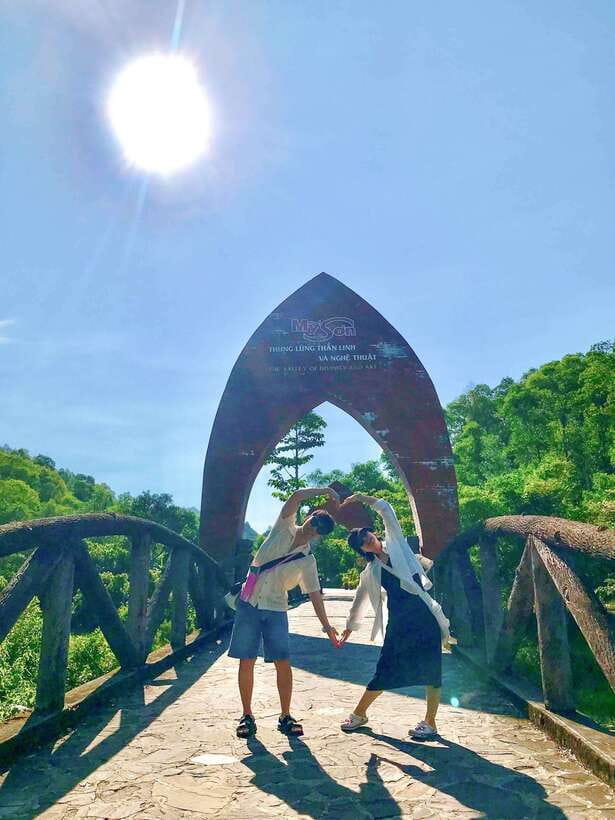
Comfortable walking shoes are strongly recommended. The terrain at My Son can be uneven, and you’ll be moving through areas where footing isn’t perfect. If you show up in sandals or thin-soled shoes, you’ll feel it by the end of the guided walk.
I’d also plan for weather. Central Vietnam can switch moods fast, and a half-day means you’re not staying long enough to wait out everything. Dress in breathable layers, bring a light cover-up if rain is possible, and make sure you have sun protection if it’s bright.
Good news: bottled water is included, so you don’t need to carry everything on your own.
Price and Value for $43: What You Get and Why It’s Fair
At $43 per person, this tour sits in a reasonable range for a UNESCO-site half-day from Hoi An. What makes it feel like good value is what’s already included:
- Hotel pickup and drop-off in Hoi An city center (excluding South Hoi An)
- Entrance fees
- Bottled water
- Travel insurance
- English-speaking tour guide (other languages are available upon request with a surcharge)
You’re also getting a guided visit inside a fixed schedule, including a walk and a traditional dance show. That’s not just convenience—it’s time savings. Without a guide, you’d likely spend more energy figuring out what the temples represent, and you might miss why specific towers matter.
The main “cost” isn’t the ticket. It’s the time on the road. If you hate long van rides, you may feel this more than you’d like. But if you’re okay with half-day logistics, the package is built for exactly that: a short, meaningful UNESCO stop with someone explaining the why behind what you see.
Also worth noting: free cancellation up to 24 hours in advance is listed, which is helpful if your Hoi An schedule is flexible.
Personal expenses are not included, so budget for small extras like snacks or souvenirs if you want them.
Who Should Book This Tour (and Who Might Skip It)
This tour is a strong fit if you:
- Want a guided UNESCO experience without planning transport yourself
- Like your history connected to real places, not just names on a page
- Prefer a half-day pace over a full-day trip
- Appreciate cultural add-ons, especially the traditional dance performance
It may be less ideal if you:
- Want lots of free time to wander on your own without a schedule
- Dislike bus rides and want minimal transit
- Prefer a slower, deeper temple study where you can take breaks whenever you want
One more small rule to remember: unaccompanied minors aren’t allowed, and children must be accompanied by an adult (and additional children must pay the adult price). If you’re traveling as a family, that’s something to plan early.
Should You Book This Hoi An to My Son Sanctuary Tour?
Yes, if you want the practical sweet spot: pickup from Hoi An, a guided visit to UNESCO My Son Sanctuary, and enough structure to understand Champa temple design in a short window. The price feels fair because the essentials are already covered—entrance fees, guide, and water—and the guide experience is consistently a highlight.
I’d book it especially if My Son is your only UNESCO target around Hoi An. The site is too meaningful to treat as random ruins. A good guide turns the towers from “interesting old structures” into a place with purpose.
If you’re the type who likes to linger with no group pressure, you might consider extending your time by pairing this with extra reading before you go, then taking your own slower walk afterward when you return to Hoi An. But for most people, this half-day does the job: it’s focused, organized, and genuinely worth stepping away from the river for a few hours.
FAQ
How long is the Hoi An to My Son Sanctuary half-day tour?
The tour lasts about 4.5 hours total.
What’s included in the $43 price?
It includes hotel pickup and drop-off in Hoi An City Center (excluding South Hoi An area), entrance fees, bottled water, travel insurance, and an English-speaking tour guide (other languages may be available with a surcharge). Personal expenses are not included.
How far is My Son Sanctuary from Hoi An?
My Son Sanctuary is located about 40 kilometers west of Hoi An, and the drive is listed as about 75 minutes each way.
Is there a traditional dance show during the visit?
Yes. A traditional dance show is included as part of the My Son visit.
Where do you pick up and drop off in Hoi An?
Hotel pickup and drop-off are available in Hoi An City Center, but South Hoi An area is excluded.
Can children join the tour?
Unaccompanied minors aren’t allowed. Every child must be accompanied by 1 adult, and additional children must pay the adult price.