REVIEW · HOI AN
Hoi An Countrylife Tour Experience & Vietnamese Set Menu
Book on Viator →Operated by Hoi An Cooking Class · Bookable on Viator
A slow day becomes a hands-on story. This Hoi An countryside tour mixes traditional pottery, farm tasks, and a real local meal, all in one smooth 5-hour block. I love the chance to see craft work up close in Thanh Ha Pottery Village, and I really like that you do actual work on organic vegetables and rice paddies instead of just watching. One thing to consider: it’s hands-on, so you should be ready for dirt and the wet-mud feel that can come with farm activities.
You also get the kind of group experience that doesn’t feel crowded. With a maximum of 15 people and guides who keep things practical (I’ve seen groups run by guides like Viet, Flower, Hai, and Lien), the day stays easy to follow even if your Vietnamese is limited.
In This Review
- Key things that make this tour worth your time
- A countryside day built around three working villages
- Thanh Ha Pottery Village: centuries-old hands at work
- Tra Que Organic Vegetable Village: seaweed, raking, and baby herbs
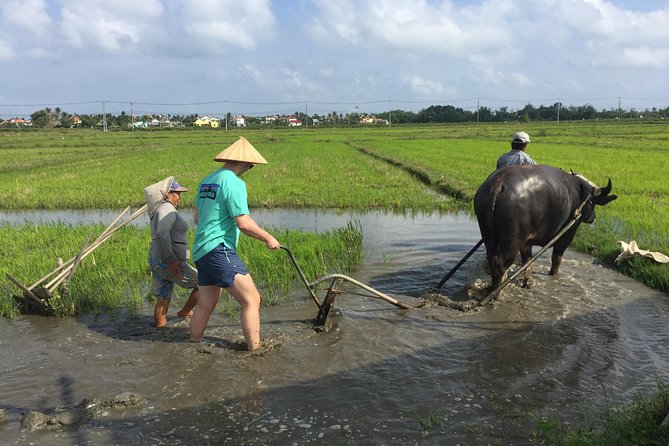
- Cam Thanh Ecological Rice Paddy Farm: rice planting and water buffalo photos
- The Vietnamese set menu dinner: your payoff meal
- Pickup, timing, and the small-group advantage
- Price and value: is $45 fair for this much work?
- Who this tour is best for (and who should skip it)
- Should you book this Hoi An countrylife tour?
- FAQ
- How long is the Hoi An countrylife tour?
- Is pickup offered for this experience?
- What stops are included in the itinerary?
- Are admission tickets included?
- How large is the group?
- Is there free cancellation?
Key things that make this tour worth your time
- Thanh Ha pottery made the old way in a village with centuries-old houses and craftspeople still working by inherited methods
- Tra Que organic garden tasks that go beyond photos: seaweed fertilizing, raking, planting, watering, and picking
- Cam Thanh rice paddy farm practice with hands-on field work and time for photos of water buffalo and paddies
- A Vietnamese set menu dinner at a family restaurant that turns the morning’s work into a satisfying sit-down payoff
- Small-group pacing (max 15) plus admission tickets included for the stops
A countryside day built around three working villages
This is not a “sit on a bus and look out the window” tour. The whole point is that you move through three different areas where people actually make things and grow food—pottery, vegetables, and rice—then you finish with a Vietnamese set menu meal at a family restaurant.
You’ll spend about an hour at each main stop. That means you get enough time to try activities, ask questions, and take photos without the day dragging into a full half-day of waiting. It also helps that the tour caps at 15 travelers, so it’s easier to stay coordinated—especially if you’re participating in the practical tasks.
If you’re short on time in Hoi An but want something more local than the usual town strolls, this format hits the sweet spot: craft + farm + food, in one go.
You can also read our reviews of more tours and experiences in Hoi An.



Thanh Ha Pottery Village: centuries-old hands at work
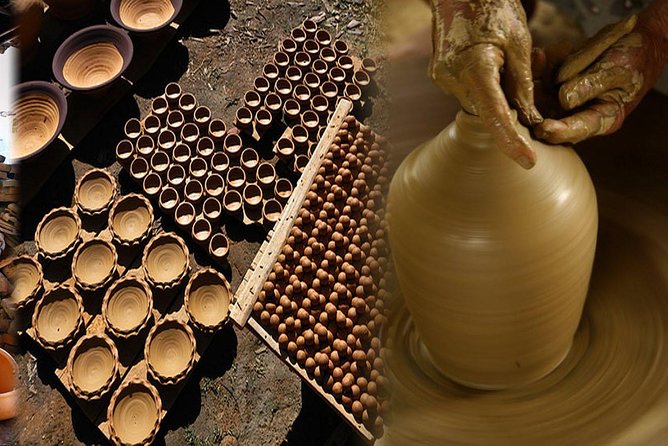
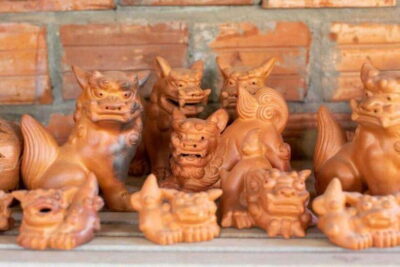
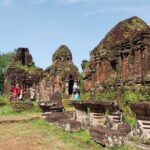
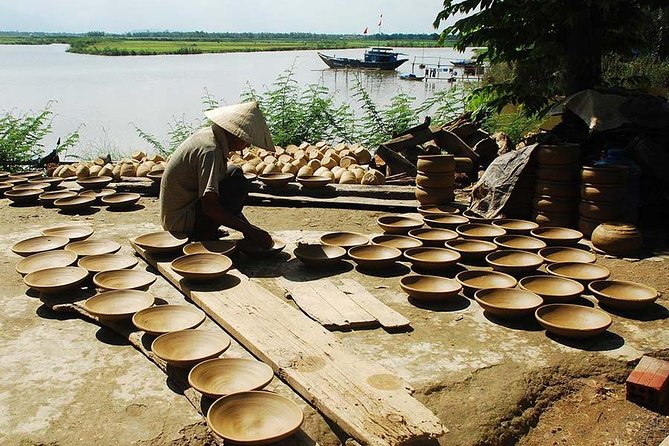
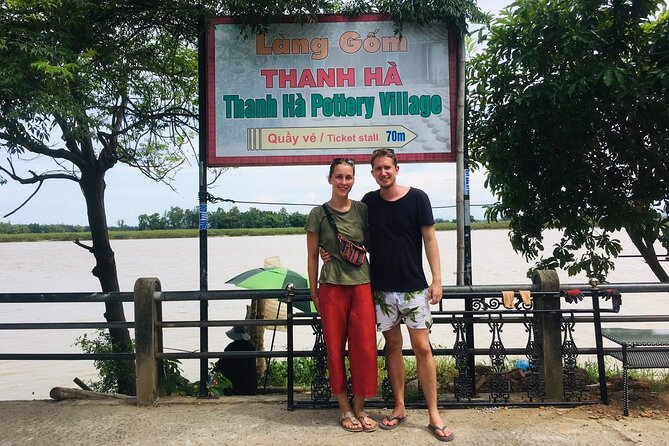
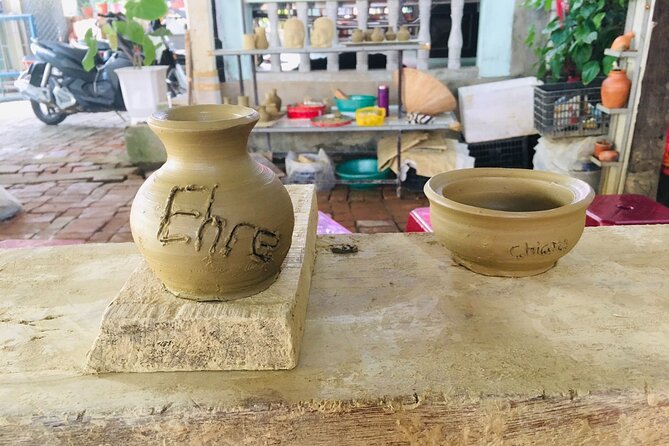
Thanh Ha Pottery Village is described as more than 500 years old, and what makes the stop meaningful is that people still use methods passed down from older generations. In the village, you’ll walk along red-brick roads and see hundred-years-old houses, which helps the place feel lived-in rather than staged.
Expect to get up close with craftspeople and watch the movement of the work. This is where many visitors start to understand that pottery isn’t just an artifact—it’s a daily craft with skills that take time to learn, and families often keep it going.
You’ll also have admission included for the stop, so you don’t waste mental energy figuring out ticket logistics. Some groups also report extra small moments like a pottery-shop browse, and even a relaxing foot spa break after the craft time. If that’s offered on your day, it’s a nice change of pace before you head to the garden.
Potential drawback: pottery villages involve standing and walking on uneven paths. Wear shoes you don’t mind getting dusty, and keep your phone secure if you’re doing close-up steps.
Tra Que Organic Vegetable Village: seaweed, raking, and baby herbs
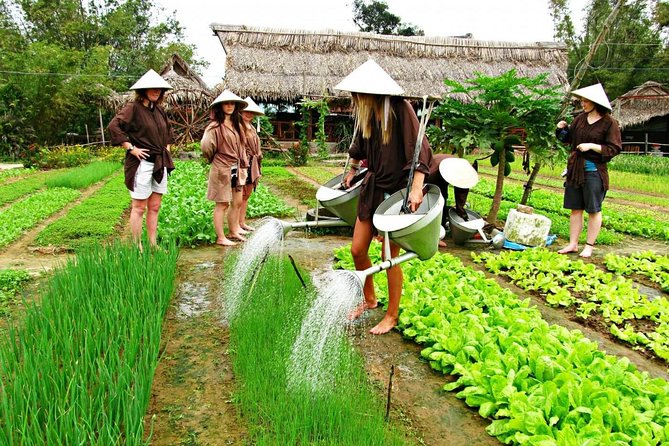
Tra Que is where the tour shifts from crafts to farming. It’s an organic vegetable village, and the activities are very practical—more “do it” than “watch it.”
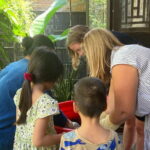
You’ll join a set of tasks that follow the logic of real cultivation. You can expect things like preparing the land, fertilizing with seaweed, raking the ground, planting baby vegetables and baby herbs, watering, and then picking vegetables. Even if you don’t know the names of every step, you’ll learn the sequence because someone shows you what to do, and then you repeat it with guidance.
This stop tends to be one of the best values in the day because you’re not just seeing “organic” as a label. You get physical experience with the process—how the soil is handled and how planting works at the ground level.
What to plan for: this is farm work. If it’s humid or recently rained, you might end up with damp soil on your shoes or socks. Bring a small towel or plan to rinse off later when you get the chance.
Cam Thanh Ecological Rice Paddy Farm: rice planting and water buffalo photos
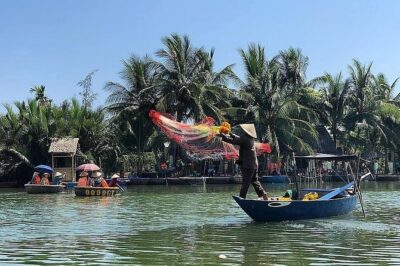
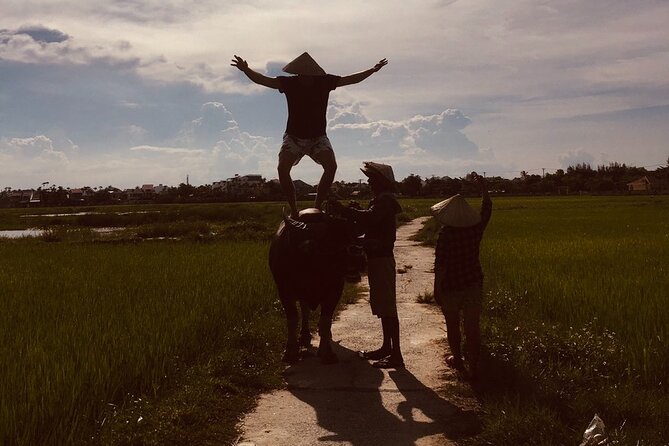
The final farming stop is Cam Thanh Ecological Rice Paddy Farm, and it’s designed for both photos and real participation. You’ll have time to pause for pictures of the rice paddies and water buffaloes, which is one reason this part of the day feels so “Hoi An countrylife” in a single frame.
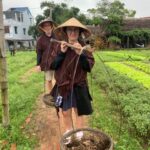
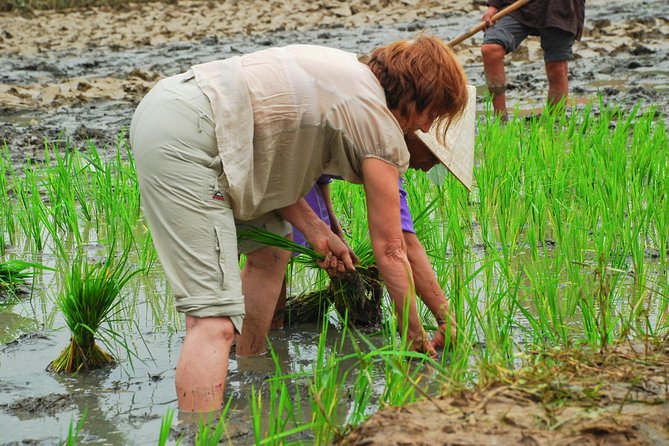
Then it turns into hands-on work. You’ll learn how local farmers work by doing activities such as ploughing the field and planting baby rice. Depending on how your day is paced, you may also get to ride a water buffalo—an experience many people remember long after the trip.
Even if you’re not a “farm person,” this stop can still click because it’s structured. Someone gives you a role, you try it, and you get quick feedback on what the movement should feel like. That makes the experience feel achievable instead of intimidating.
One practical point: farm days are timing-sensitive. If you arrive when the light is bright, the photos are great. If you hit cloudier weather, don’t panic—there’s enough activity built in that the day still feels full. Some groups have reported that even rain didn’t ruin the day, because the schedule stays focused on work and food rather than just sightseeing.
The Vietnamese set menu dinner: your payoff meal
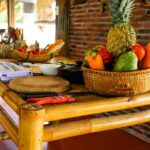
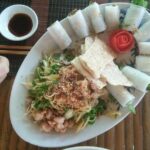
After the farming stops, you’ll have dinner at a family restaurant with a Vietnamese set menu. This is the part that keeps the whole morning from feeling like “just activities.” It’s where you sit down, refuel, and connect the work you did with what ends up on the table.
The set menu format matters for value and enjoyment. You don’t have to decide what to order while you’re tired. You also get a curated range of Vietnamese dishes rather than trying to guess which ones fit what you want after a long day outside.
From what’s been shared about this experience, the meal is often described as the best part of the day, with plates that feel freshly cooked and properly flavored. Some cooking-style comments also show up around this type of experience in Hoi An, where hosts may explain dishes and let you participate in small food moments. Even if your dinner is purely meal time, the family-restaurant setting makes it more than a rushed stop.
If you like spicy food, it helps to mention your preferences early. If you’re not sure, go with mild at first and adjust from there—Vietnamese meals often balance heat with herbs and fresh ingredients.

Pickup, timing, and the small-group advantage
This tour runs for about 5 hours and offers pickup, which is a big deal in Hoi An. Getting collected and dropped off means you can show up ready to work instead of losing time navigating traffic or parking.
You also get a mobile ticket, and the experience has a confirmation step when you book. The meeting point is described as near public transportation, which is useful if you’re traveling independently.
Small-group size (max 15) is more than a nice-to-have. It affects your experience directly. You wait less, questions get answered faster, and the guide can keep an eye on safety during hands-on moments like planting or field tasks.
One timing note to keep in mind: if you’re the type who hates heavy meals early, plan for a breakfast-light morning. Some people have suggested you don’t need a big breakfast before you do this tour because the meal later is substantial. You’ll still want energy, but consider eating something light so you’re not weighed down while doing farm activities.
Price and value: is $45 fair for this much work?
At $45 per person, this tour feels like good value if you want a mix of culture and hands-on participation. You’re paying for more than transport. Admission is included for each of the main stops, and you’re getting guided time in three locations that are different in what they teach and how they feel.
Let’s break down why the math can work in your favor:
- 3 stop admissions included (Thanh Ha, Tra Que, and Cam Thanh) reduces add-on costs you’d pay on your own
- You’re not only visiting; you’re doing activities that usually take guidance, tools, and time
- The day ends with a Vietnamese set menu dinner, which saves you the hassle of finding a place after you’re tired
Compared to tours that feel like “photos with a guide,” this one tends to justify the price because your role changes at every stop. Pottery isn’t the same as gardening, and gardening isn’t the same as rice field work. That variety keeps the experience from feeling repetitive.
One consideration: if you’re hoping for a slow, restful day with minimal movement, the price may still be fair, but the format might not fit your style. This tour rewards people who enjoy trying, even if it’s messy.
Who this tour is best for (and who should skip it)
I’d recommend this experience if you want a practical introduction to how people in the region make a living—and you like doing more than just looking. It’s especially a strong fit for:
- Couples or small groups who want a shared day with lots of conversation
- Food-focused travelers who care about the story behind what ends up on the plate
- People who enjoy making things and working with their hands, even briefly
You might want to think twice if:
- You have mobility issues that make standing or uneven walking difficult
- You dislike getting dirty or dealing with farm smells and damp ground
- You prefer air-conditioned, low-effort sightseeing
Should you book this Hoi An countrylife tour?
If you’re in Hoi An and you want a genuine day outside the city rhythm, this tour is a smart choice. The best part is the combination: Thanh Ha pottery, Tra Que vegetable gardening, and Cam Thanh rice paddy work—then a full Vietnamese set menu dinner to cap it off.
Book it if you’re ready to participate and you’d rather trade a little comfort for a real story you can tell later. Skip it if your ideal day is mostly walking around calmly with minimal physical effort. If you fall in the middle—curious but cautious—this is still a good bet because the day is structured, timed tightly, and designed for small groups.
FAQ
How long is the Hoi An countrylife tour?
The tour is about 5 hours long.
Is pickup offered for this experience?
Yes, pickup is offered.
What stops are included in the itinerary?
The experience includes Thanh Ha Pottery Village, Tra Que Vegetable Village, and an ecological rice paddy farm stop at Cam Thanh.
Are admission tickets included?
Admission tickets are included for the stops.
How large is the group?
The tour has a maximum of 15 travelers.
Is there free cancellation?
Yes. You can cancel for a full refund up to 24 hours in advance of the experience’s start time. Within 24 hours, refunds are not available.
If you want, tell me your travel dates and whether you prefer an early start or a later morning, and I’ll suggest the best way to fit this into your Hoi An schedule.