Skip the main streets and follow the noodles. This Old Hoi An food walk takes you into backstreets where family makers produce Cao Lau noodles and bean sprouts, then rewards you with five to seven tastings. It’s a 3 to 4 hour plan that feels more like joining locals for breakfast than running between tourist stops.
The tradeoff: you’ll do a fair amount of walking on uneven lanes, and the afternoon heat can make the time feel a bit longer than you expect. If you’re comfortable with moderate walking and you wear good shoes, you’ll be fine.
In This Review
- Key reasons this Old Hoi An food tour works
- Morning or afternoon: timing that beats the crowd
- Backstreet walk through Ancient Town, temples, and market life
- Cao Lau and bean sprouts: the best part is seeing the process first
- The tastings: 5 to 7 bites that actually connect to what you saw
- Guides who turn a walk into a story: Quyen, Kim, Kiwi, and more
- Practical value: what $41 buys you in real “Hoi An time”
- Logistics that actually affect your day
- Who this tour suits best (and who might skip it)
- Should you book this Old Hoi An backstreet food-and-factory tour?
- FAQ
- How long is the Hidden Gems of Old Hoi An tour?
- How many tastings are included?
- What’s included besides food tastings?
- Do you offer pickup in Hoi An?
- What group size should I expect?
- Is Ancient Town admission included?
- Do I get a mobile ticket?
- What are the weather and cancellation rules?
Key reasons this Old Hoi An food tour works
- Small group cap (max 10): easier questions and calmer conversations at the factories and market stops.
- Factory-to-tasting flow: you see ingredients made first, then you eat dishes built from them.
- Morning or afternoon options: you can choose the pace that matches your energy and the weather.
- Select hotel pickup + mobile ticket: less hassle before you start wandering.
- Included drinks and water: bottled water plus coffee or tea keep you going between tastings.
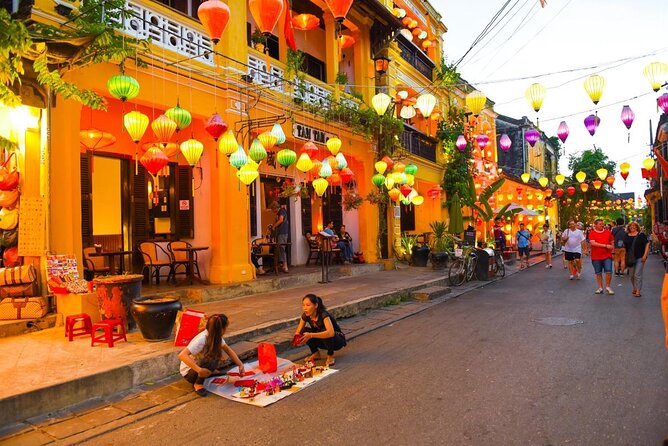
- Culture stops beyond food: temples, market life, and architecture show up during the walk through Ancient Town.
Morning or afternoon: timing that beats the crowd
This tour runs either in the morning or the afternoon, and that choice matters more than you might think. Hoi An gets busy. Going early means cooler air, more oxygen in your lungs, and a better chance of hearing what your guide is saying while you’re moving through narrow lanes.
The walking portion is part of the point. You’re not just eating. You’re learning how everyday life in Old Hoi An is shaped by the way food is made and sold. In several guide-led experiences, I noticed the same theme: start early, see places most people miss, then finish full and happy before the crowds lock in.
If you’re sensitive to heat, aim for morning. If mornings are a mess for your schedule, the afternoon tour can still work, but treat it like real sightseeing. Drink water, take your time on crossings, and keep your shoes grippy.
You can also read our reviews of more tours and experiences in Hoi An.



Backstreet walk through Ancient Town, temples, and market life
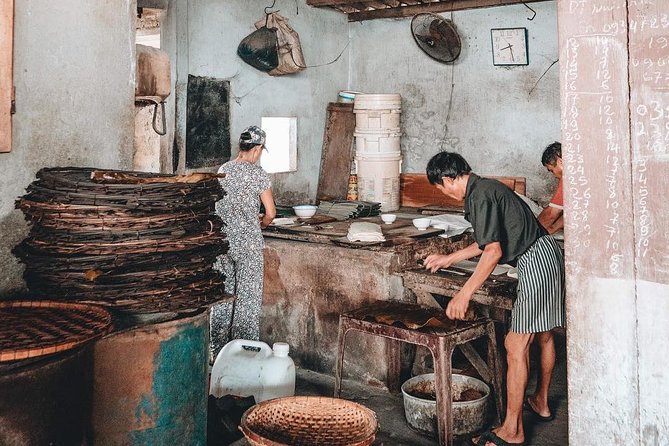
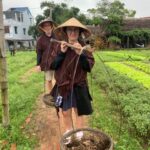
Your first big focus is the Old Hoi An Ancient Town area, where the route leans into the quieter lanes rather than the main commercial streets. This is where you get the behind-the-scenes version of Hoi An: family businesses, everyday foot traffic, and architecture you’d normally only notice if you were wandering without a plan.
You also get context on why Hoi An’s food looks the way it does. The walk includes stories about how Japanese, Chinese, and Western influences shaped life in Hoi An and, in turn, the cuisine. That matters because you’ll taste dishes later that make more sense once you understand the cultural mix behind them.
One practical note: the Ancient Town admission ticket is marked as not included. So if you end up needing a ticket for your route timing, budget for it. Your guide should help you sort out what applies on the day.
Cao Lau and bean sprouts: the best part is seeing the process first
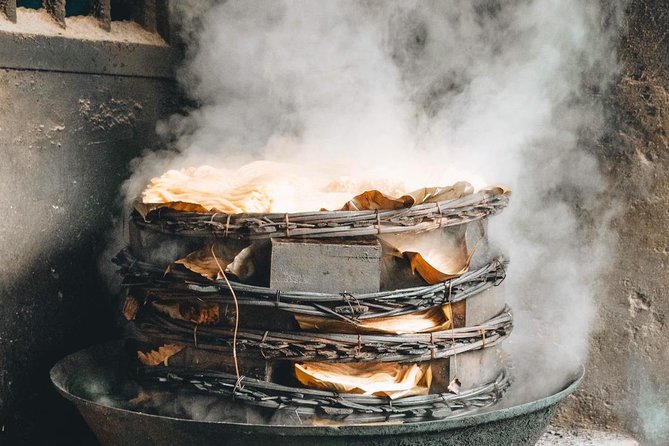
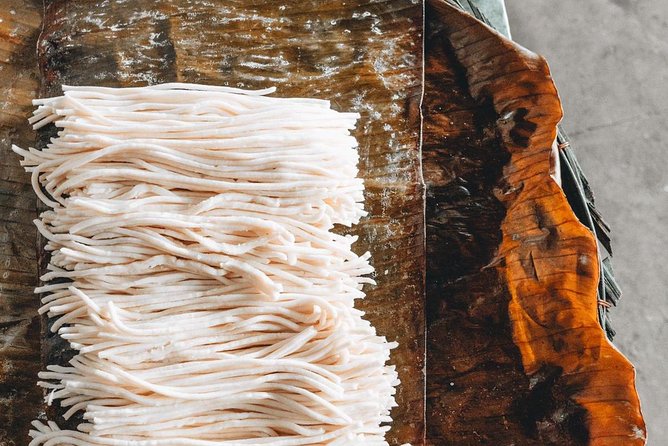
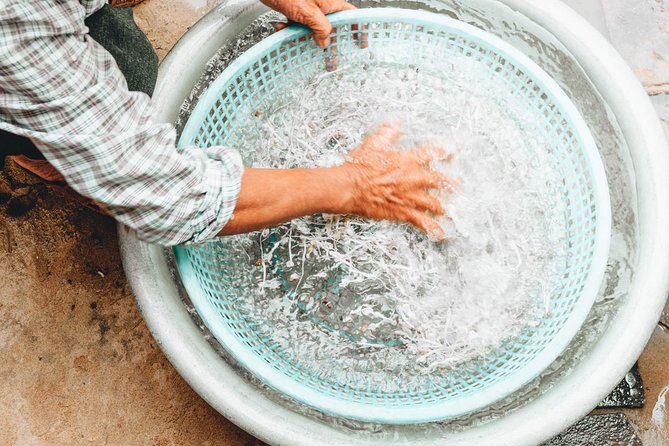
The tour’s signature value is the link between production and eating. You visit family producers who make key ingredients such as Cao Lau noodles and bean sprouts. The noodle stop is especially memorable because it’s described as the oldest factory making Bun-style noodles (and the tour specifically calls out the Cao Lau noodle production angle).
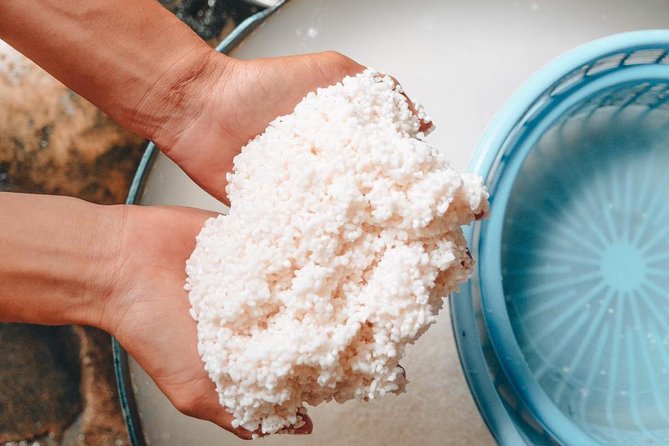
You’ll also see how Vietnamese growers and producers handle sprouts, including the idea of organic bean sprouts as part of the story your guide shares. Then you taste the results in a way that’s meant to feel like a local meal, not a classroom demonstration.
Here’s why this pairing works for you: if you’re a foodie, you’ll notice textures and flavors more when you understand what changed along the way. Noodles aren’t just noodles. Sprouts aren’t just a garnish. After you’ve watched and learned, the dishes you try later start to feel explainable.
The tastings: 5 to 7 bites that actually connect to what you saw
The tastings are built around what you saw being made earlier. Expect five to seven tastings during the walk. Along with the food, you get bottled water and coffee or tea, which is a nice practical touch because you’re outdoors and moving between stops.
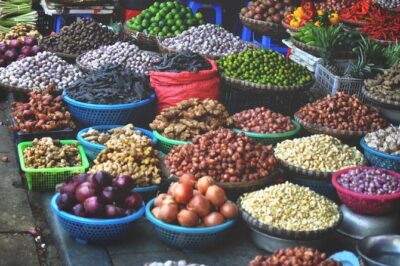
Some tastings happen at or near market areas. One review specifically calls out Tiger market as part of the food experience, which fits the overall “ingredients to dishes” theme. The goal is that each bite has a reason, not just variety for variety’s sake.
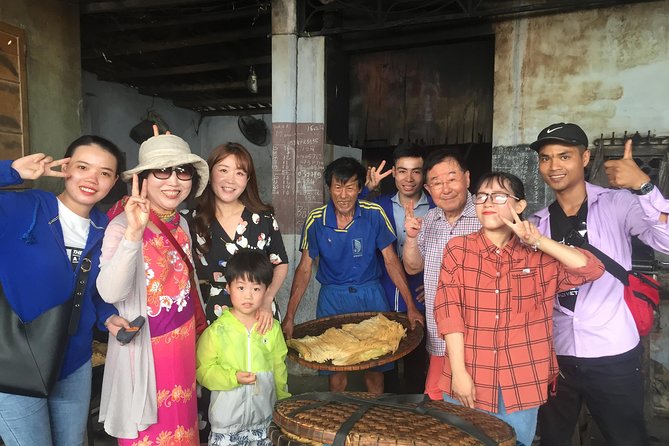
This is also where the small group helps. With up to 10 people, it’s easier for your guide to adjust what you’re most interested in. A couple of guide highlights from the experience details show this flexibility: guides talked people through what they were eating, and one account notes the tour could accommodate two vegans in the group. Even if you’re not vegan, it’s a good sign that you won’t feel stuck with food you don’t want.
Guides who turn a walk into a story: Quyen, Kim, Kiwi, and more
On tours like this, the guide is the engine. The strongest impressions in the experience details come down to warmth, communication, and the ability to make small facts feel meaningful.
I kept seeing names tied to the best parts of the day, including Quyen (also called Quinni), Kim, Kiwi, Van, Emily, and Lien Lien, plus people like Harry mentioned in the communications and support layer. In one experience, Kiwi is praised for sharing a lot about Old Hoi An and guiding people through secret alleys away from the busiest tourist roads. In another, Kim is described as sweet and full of knowledge and stories.
A few specific things that matter for your comfort:
- Guides used WhatsApp communication to coordinate smoothly, and one review notes that a taxi was arranged for pickup.
- Guides seemed good at pacing for different ages, including families with young kids.
- One guide detail mentions a birthday cake surprise at the final stop, which tells me these hosts pay attention beyond the checklist.
If you care about culture as much as food, this is the sweet spot. You’re not just sampling flavors. You’re hearing the human side: the families behind the work, the pride in old methods, and why the neighborhood still runs on daily routines.

Practical value: what $41 buys you in real “Hoi An time”
At $41 per person, this tour sits in the “affordable but not throwaway” range. You’re paying for three things that add up quickly if you tried to DIY it:
- Guided access to family producers (not the tourist-friendly facades).
- Multiple tastings (five to seven bites, plus coffee or tea and bottled water).
- Time saved on logistics, especially with complimentary pickup from select Hoi An hotels.
Duration is listed as about 3 to 4 hours, and the pace is designed for walking plus eating, not frantic sprinting. That’s part of the value. In a few accounts, people describe it as a good balance between history and local culture along with food. You’re not stuck doing only one thing.
So if you’re the type who likes to plan one or two “anchor” activities and then spend the rest of your day wandering independently, this fits well. It’s also a strong option if your food interests are specific—Cao Lau noodles, bean sprouts, and Vietnamese street-style ingredients are the core.
Logistics that actually affect your day
This experience keeps things simple, and it’s worth planning around the details that can affect your comfort.
Pickup and meeting points: complimentary pickup is offered from select Hoi An hotels. Otherwise, the tour starts at 03 Phan Đình Phùng, Cẩm Sơn, Hội An and ends at Bill Coffee & Tea, 22 Trần Hưng Đạo, Hội An. That end point is useful because it gives you a clear “anchor” location after you’re done eating and walking.
Walking comfort: the tour calls for a moderate physical fitness level. That usually means uneven surfaces and frequent short distances rather than long uphill challenges. Still, you’ll be moving a lot.
Mobile ticket: you’ll have a mobile ticket. Bring your phone with enough battery, and take a screenshot as a backup if you’re the cautious type.
Weather matters: it requires good weather. If conditions aren’t right, you’re offered a different date or a full refund. That’s important in Hoi An because rain can turn “light walking” into “wet and slippery walking” fast.
Who this tour suits best (and who might skip it)
This tour is ideal if you:
- want a food-focused day that’s also about local life
- like tasting ingredients you recognize, like Cao Lau noodles and bean sprouts
- enjoy early starts and smaller groups
- want a guide to help you taste with confidence (especially if you’re unsure what something is)
It may be less ideal if you:
- strongly dislike walking or have limited mobility for uneven lanes
- need long, uninterrupted sit-down meals (this is a walk-and-taste format)
- are only interested in the most famous sights and nothing else
Think of it as a hands-on neighborhood experience. If that’s your style, you’ll get a lot from it.
Should you book this Old Hoi An backstreet food-and-factory tour?
I’d book it if you want one activity that does more than feed you. The main reason is the structure: you see how key items are made, then you eat dishes that use those ingredients. That factory-to-tasting link makes the experience feel grounded, not random.
Also, the small group size is a real quality signal. It helps with pacing, questions, and comfort—especially when you’re stepping off the main streets into back lanes.
Book it in the morning if you can. The morning timing is frequently described as the way to escape crowds and see local work before the tourist rush.
If you’re on the fence, ask yourself this: do you want Old Hoi An food culture explained through people and process, or do you just want a quick sampling? If it’s the first one, this is a strong pick.
FAQ
How long is the Hidden Gems of Old Hoi An tour?
The tour runs about 3 to 4 hours.
How many tastings are included?
You’ll get five to seven tastings.
What’s included besides food tastings?
The tour includes bottled water and coffee or tea, along with the tastings.
Do you offer pickup in Hoi An?
Yes, complimentary pickup is offered from select Hoi An hotels.
What group size should I expect?
The tour has a maximum of 10 travelers.
Is Ancient Town admission included?
Admission ticket for the Ancient Town stop is listed as not included.
Do I get a mobile ticket?
Yes, the tour uses a mobile ticket.
What are the weather and cancellation rules?
The experience requires good weather. If canceled due to poor weather, you’ll be offered a different date or a full refund. Free cancellation is available up to 24 hours in advance for a full refund.