REVIEW · HOI AN
From Hoi An/Da Nang: Hoi An City Tour & Lanterns Release
Book on GetYourGuide →Operated by Trip in Vietnam · Bookable on GetYourGuide
Lanterns over the Thu Bon River change everything. This 6-hour Hoi An City Tour & Lanterns Release takes you into the old town after dark, when lights turn the streets softer and the history feels more human. I like how the route mixes heritage stops with the most romantic part of Hoi An: a boat ride where you release flower lanterns from the river.
I especially like the sequence around the market and merchant-era sights. You’ll hit Hoi An Market first, then see the ornate Phuc Kien Chinese Assembly Hall, and step into merchant homes like Phung Hung Ancient House or Tan Ky Ancient House—houses that have survived 200 years of weather and war.
One thing to consider: the lantern boat is included, but if your dream is a long, slow boat experience with extra time in the Old Town, you should double-check the pace with the provider before you book.
In This Review
- Key things to know before you go
- Hoi An at night: why this tour works
- Getting from Da Nang to Hoi An (and back) without stress
- Stop 1: Hoi An Market and the tailor-shop vibe
- Phuc Kien Chinese Assembly Hall: dragons, gates, and meaning
- Merchant houses: Phung Hung or Tan Ky, with 200 years of survival
- Hoi An Folk Culture Museum and traditional arts performances
- The Japanese Bridge: 400+ years of carved connection
- Optional variation: handicraft shops and art galleries
- The lantern boat: how the river ride lands
- Price and value: what $32 includes and what it replaces
- Who this tour is best for (and who should skip it)
- What it feels like on the ground
- Quick tips to make the lantern evening better
- Should you book this Hoi An city tour and lantern release?
- FAQ
- How long is the Hoi An City Tour & Lanterns Release?
- What does the lantern part include?
- Where does pick-up and drop-off happen?
- Is the tour guide included, and what languages are offered?
- What’s included in the price besides the guide and guide commentary?
- Is there a private group option?
- Is free cancellation available?
Key things to know before you go

- Nighttime Hoi An: romantic lights, quieter streets, and the old town’s best evening vibe
- Hoi An Market first: a fast hit of colors, sounds, smells, and shopping (including tailor-area spots)
- Heritage stops with context: Phuc Kien Chinese Assembly Hall plus one of two 200-year merchant houses
- Japanese Bridge details: built more than 400 years ago, with carvings and painted symbolism
- Lantern release on the river: you’ll sail and set flower lanterns to wish good luck
Hoi An at night: why this tour works
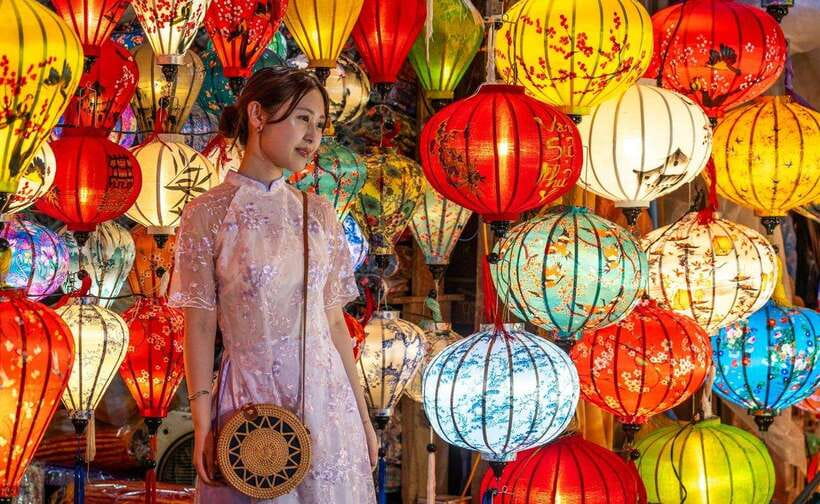
Hoi An night magic is real, but it can be a little hard to piece together on your own. During the day, the Old Town is crowded and hot. At night, it’s still busy, yet it moves at a calmer pace—enough to enjoy the architecture, the lantern colors, and the river feel.
This tour focuses on the exact window when things look their best. You get a guided path through the sites that are most tied to Hoi An’s merchant past, and then you end with the river lantern moment. That combo matters: you don’t just bounce from one photo spot to another. You learn why these places exist, and then you see them again from the water.
You’re also in good hands language-wise. The tour offers live guiding in many languages, including English, and private groups are available if you want a less structured feel.
You can also read our reviews of more city tours in Hoi An



Getting from Da Nang to Hoi An (and back) without stress

The tour uses an AC car and includes pick-up and drop-off in Hoi An, with a surcharge if you’re starting from Da Nang. That might sound like a small detail, but at night it’s the difference between enjoying the evening and spending it negotiating buses, taxis, and timing.
Because the tour lasts about 6 hours, having transport handled means you can stay focused on the plan. You won’t be worrying about whether you’ll make it back before shops close or before the lantern release window.
Practical tip: wear comfortable walking shoes. The Old Town is walk-heavy, and you’ll be moving between indoor and outdoor stops before the river ride.
Stop 1: Hoi An Market and the tailor-shop vibe
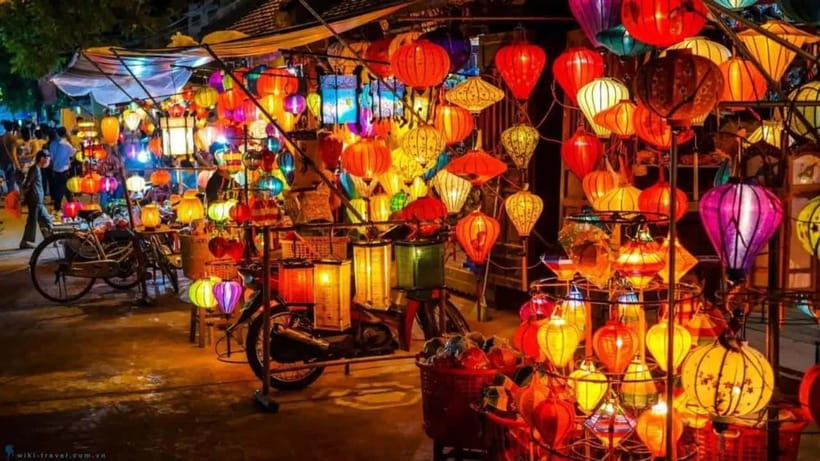
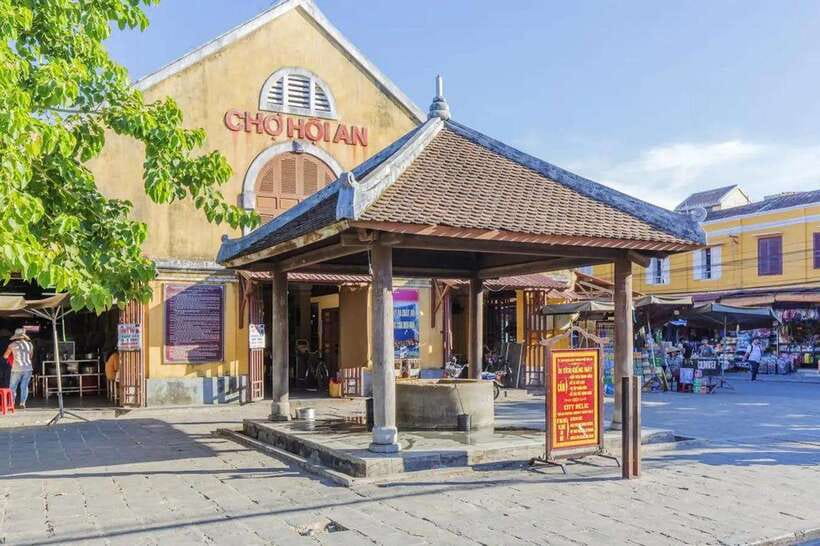
You start at Hoi An Market, which is exactly what you want from a first stop. It’s lively, sensory, and full of everyday activity. You’ll see shoppers and vendors, hear the chatter, and smell the mix of food and market goods.
Why I like starting here: it gives you a baseline understanding of modern Hoi An. From there, the tour transitions into older sites, and the contrast feels meaningful. Even the shopping angle isn’t random. The market area is where you’ll spot opportunities tied to Hoi An’s clothing reputation, including suits, vests, and coats in famous tailor shops.
What to do if you’re not shopping: treat the market like a street-level museum. Notice the flow of people and the way goods are displayed. You’ll also pick up the rhythm of bargaining, which makes later market passes (or solo returns) less intimidating.
A note of realism: markets are not everyone’s cup of tea at night. If you prefer quiet heritage-only sightseeing, just know the early energy is part of the tour’s intent.
Phuc Kien Chinese Assembly Hall: dragons, gates, and meaning
Next up is Phuc Kien Chinese Assembly Hall, a worship space with standout architecture. You’ll see luxurious gates, dragon statues, and elaborate roofs. The key idea here is that this isn’t just pretty decoration. It represents community life—how Chinese merchant networks organized worship, gatherings, and identity in Hoi An.
When a guide points out the symbolism, the building becomes more than a background. You start connecting details: who built it, why it was built, and how architecture can act like a map of beliefs and power.
If you’re the type who likes to understand what you’re seeing (even briefly), this stop is one of the tour’s strongest values.
Merchant houses: Phung Hung or Tan Ky, with 200 years of survival
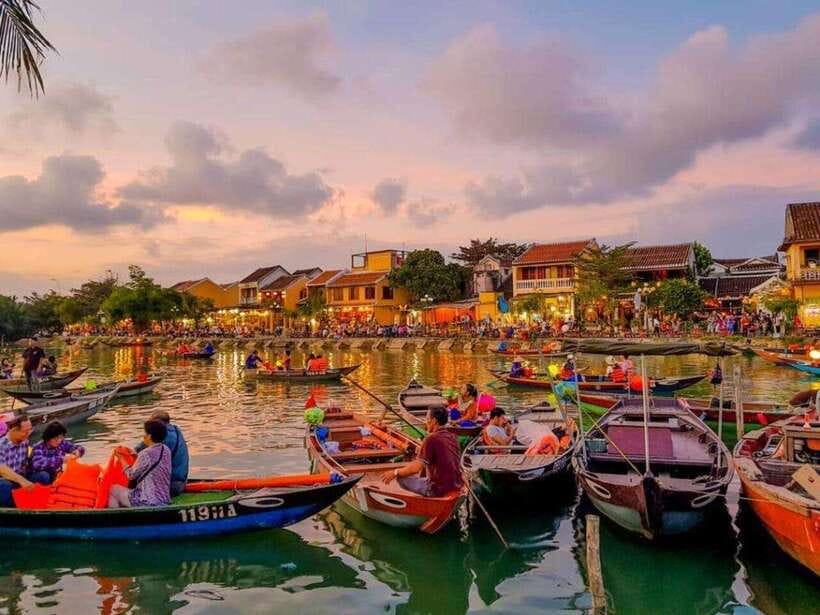
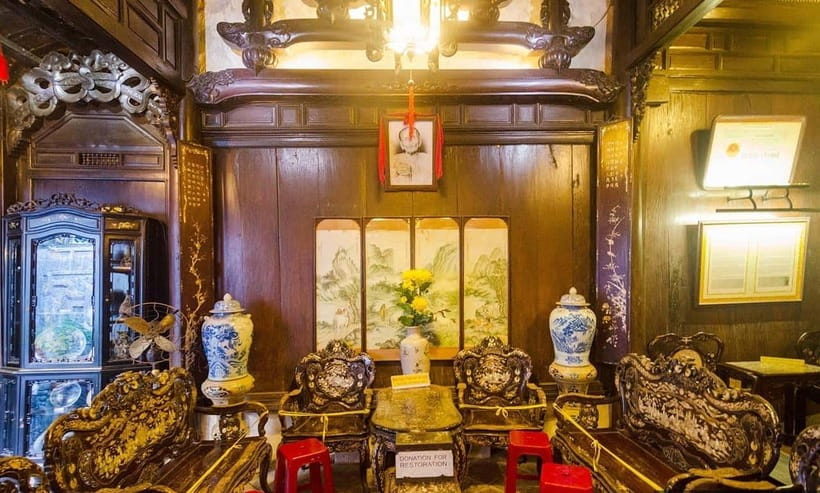
Then you’ll visit either Phung Hung Ancient House or Tan Ky Ancient House. Both are well-preserved, and the tour frames them around the wealthy merchants who lived there and did business with buyers arriving from across the world.
This is the part of Hoi An that feels most personal, because you can imagine daily life inside real walls. You’re not just staring at a façade. You’re seeing how a merchant home adapts to climate, family, and status. The tour’s angle helps you focus on the human side: these houses weren’t built to impress tourists. They were built to support a life.
One possible consideration: because the itinerary uses one of two houses, your exact experience can vary depending on the day’s plan. If one house is a must-see for you, it’s worth confirming which one your booking will include.






Hoi An Folk Culture Museum and traditional arts performances
After the merchant house, the tour shifts into culture through the Hoi An Folk Culture Museum. You’ll see artifacts that depict ancient daily life, and importantly, the museum is housed in a 150-year-old Chinese merchant house.
This matters because the setting itself is part of the learning. Walking into an old merchant home and then viewing daily-life artifacts inside helps you visualize how ordinary routines connected to the merchant era.
The tour also highlights art performances at the Hoi An Traditional Arts Performing House. Even if you don’t understand every note or gesture, you’ll get a feel for how heritage is kept alive through performance.
Practical note: if you hate being late for shows, arrive when your guide tells you to. These stops work best when you don’t rush between them.
The Japanese Bridge: 400+ years of carved connection
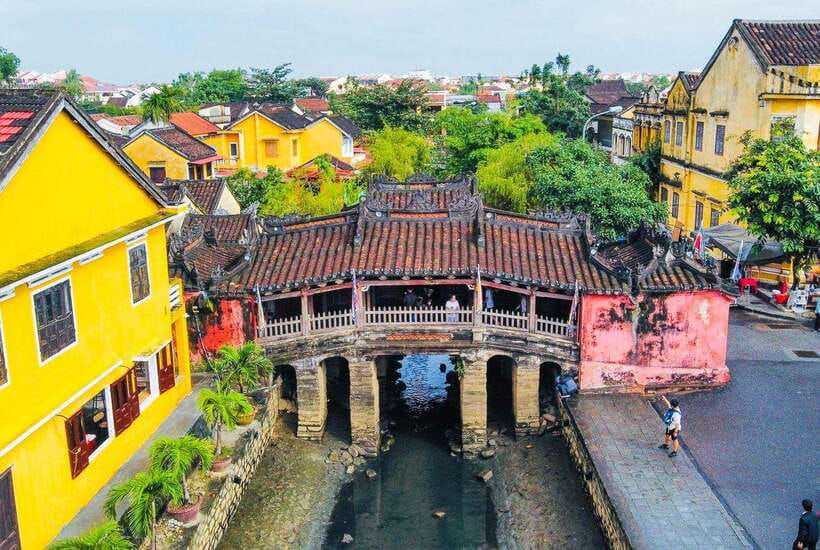
You’ll stop at the Japanese bridge, built more than 400 years ago to connect Japanese and Chinese communities across a small waterway. It’s not the kind of bridge you just walk across and forget. The tour focuses on carvings and paintings inside, along with what they symbolize and why they’re culturally important.
I like this stop because it turns a small structure into a bigger story. It shows Hoi An as a trading hub where different groups lived close and interacted. The bridge becomes proof that the town’s “old” isn’t uniform—it’s mixed.
If you only have time for a couple of history stops in Hoi An, this is one I’d strongly consider.
Optional variation: handicraft shops and art galleries
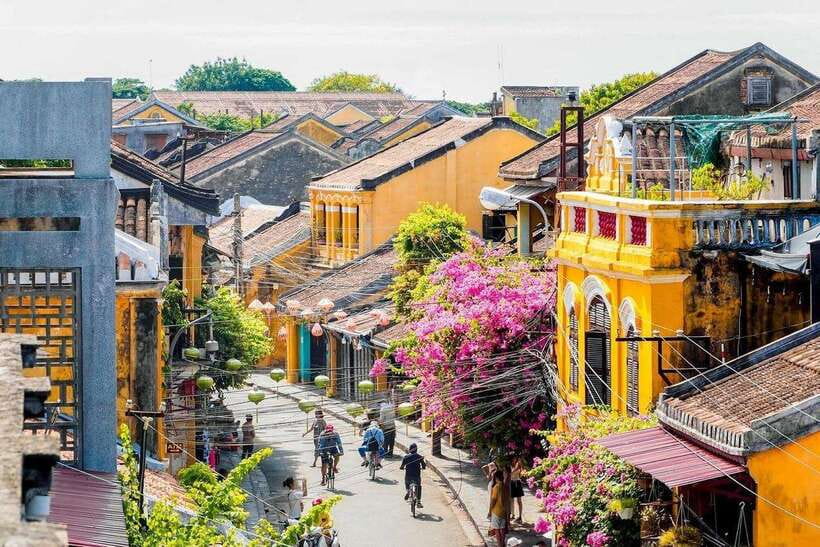
Depending on your day’s plan, you may also spend time in Hoi An’s handicraft shops and art galleries. This is a smart mid-tour break if you want something lighter than temples and houses.
It also gives you a chance to slow down and shop in a more relaxed way than the market. I find this works best if you’re picking up a small souvenir tied to local crafts rather than trying to buy everything in one hit.
Look for the small streets and rustic houses around here, especially with the lantern and poetic lights. That section is less about a single monument and more about the feeling of Old Town at night.
The lantern boat: how the river ride lands
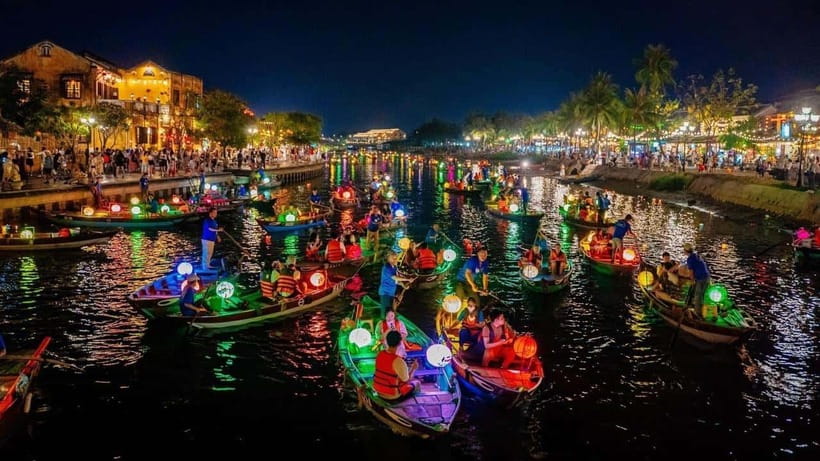
The grand finale is the boat ride on the river and the lantern release. You’ll sit on the water, watch the lantern moment unfold, and set your flower lantern with a wish for good luck for you and your family.
The details here are part of why the experience feels special. You’ll sail past houses and romantic streets while the black flowers float on the water. That image is simple, but it clicks in the memory because it’s not just a staged photo. It’s a slow moment where the town becomes background and the water becomes the main stage.
Value-wise, you’re getting transportation, a guide, the boat ride, and the lantern itself. For $32 per person, that combination is usually where the tour justifies its price—especially if you’d otherwise need to coordinate boat time on your own.
Price and value: what $32 includes and what it replaces
At around $32 per person, the deal can be quite fair for a 6-hour guided evening plan—assuming you like a structured route. Here’s what you’re paying for in practical terms:
- Guide time in English (and other languages are available)
- AC car for the main sightseeing transfer rhythm
- Admissions-type stops during the route (as part of the planned experience)
- Boat ride and flower lantern at the end
- Mineral water
If you’re the kind of traveler who enjoys walking but hates figuring out sequencing, this is where the tour helps. You also save energy by not stitching together market time, museum time, and lantern logistics yourself.
The main risk is mismatch in expectations. The tour description promises a mix of sights and the lantern release, so if you want a longer free stroll or you’re only interested in the lantern part, you might feel the schedule is too tight. In that case, it could be better to mix a short guided tour with solo time afterward.
Who this tour is best for (and who should skip it)
This tour is a strong fit if you:
- want Hoi An Ancient Town at night with a plan
- like getting context for historic buildings like Phuc Kien and merchant houses
- care about the lantern ritual enough that you’ll enjoy it as a finale
- prefer guided structure over navigation
I’d think twice if you:
- hate crowds or prefer fully self-paced touring
- only want the lantern moment and nothing else
- have very strong preferences for specific historic houses (since you’ll do either Phung Hung or Tan Ky)
What it feels like on the ground
The pacing is designed to move from sensory modern Hoi An (market) into cultural and historic stops, then finish with a “slow down” experience on the river. That flow keeps the evening from feeling repetitive.
Also, the guide makes a real difference. One example from an earlier experience I’ve heard about is a guide named Lucy, who clearly helped turn the route into something more enjoyable than just ticking boxes. You don’t need a hype machine—just a guide who can explain why the carvings matter or what the assembly hall represented.
Quick tips to make the lantern evening better
- Bring light layers. Nights can feel cooler once you’re on the water.
- Keep your phone secure and ready, but don’t let photos replace the lantern moment.
- If you’re sensitive to heat, remember you start with the market and then move through multiple stops—take small breaks when your guide allows it.
- Plan to walk. Even with a car, you’re doing a lot of Old Town footwork.
Should you book this Hoi An city tour and lantern release?
If you want a romantic night in Hoi An with heritage stops that make sense—and you definitely want to end with a boat and flower lantern—this is a solid pick. For $32, the boat ride plus lantern plus guided route is the main value driver, and it’s hard to replicate that convenience without extra coordination.
Book it if you like structure, enjoy learning a bit about architecture and community history, and want the lantern ritual to be part of your evening, not something you scramble to arrange.
Skip or at least adjust expectations if your only goal is maximum free time in the Old Town or a very long lantern boat experience. In that case, you may prefer a shorter activity and then explore at your own pace after.
FAQ
How long is the Hoi An City Tour & Lanterns Release?
The tour runs for about 6 hours.
What does the lantern part include?
You’ll take a boat ride on the river and release a flower lantern as part of the experience.
Where does pick-up and drop-off happen?
Pick-up and drop-off are included in Hoi An. If you’re staying in Da Nang, there is a surcharge for pick-up and drop-off.
Is the tour guide included, and what languages are offered?
Yes, there is a live tour guide. The tour lists English and several other languages, including Chinese, Japanese, French, Italian, Spanish, Russian, Korean, and German.
What’s included in the price besides the guide and guide commentary?
The tour includes an AC car, a boat ride and flower lantern, and mineral water.
Is there a private group option?
Yes, a private group is available.
Is free cancellation available?
Yes. You can cancel up to 24 hours in advance for a full refund.